Understand current conditions
Characterize areas, activities and tasks, assess conditions and investigate further when the issue requires it.
 INGENIERÍA MVH ILUMINACIÓN Y SST S.A.S. · Home
We assess what people need to see to do their work. We measure and interpret light in offices, warehouses, classrooms and production areas according to the task and operating conditions.

A screen, a shelf and a workbench involve different visual details. Explore what we assess in each space.
We assess reflections, light on the desk and contrast between the screen and its surroundings.

We consider labels, racks and crossings from the position of the people working and moving through the space.
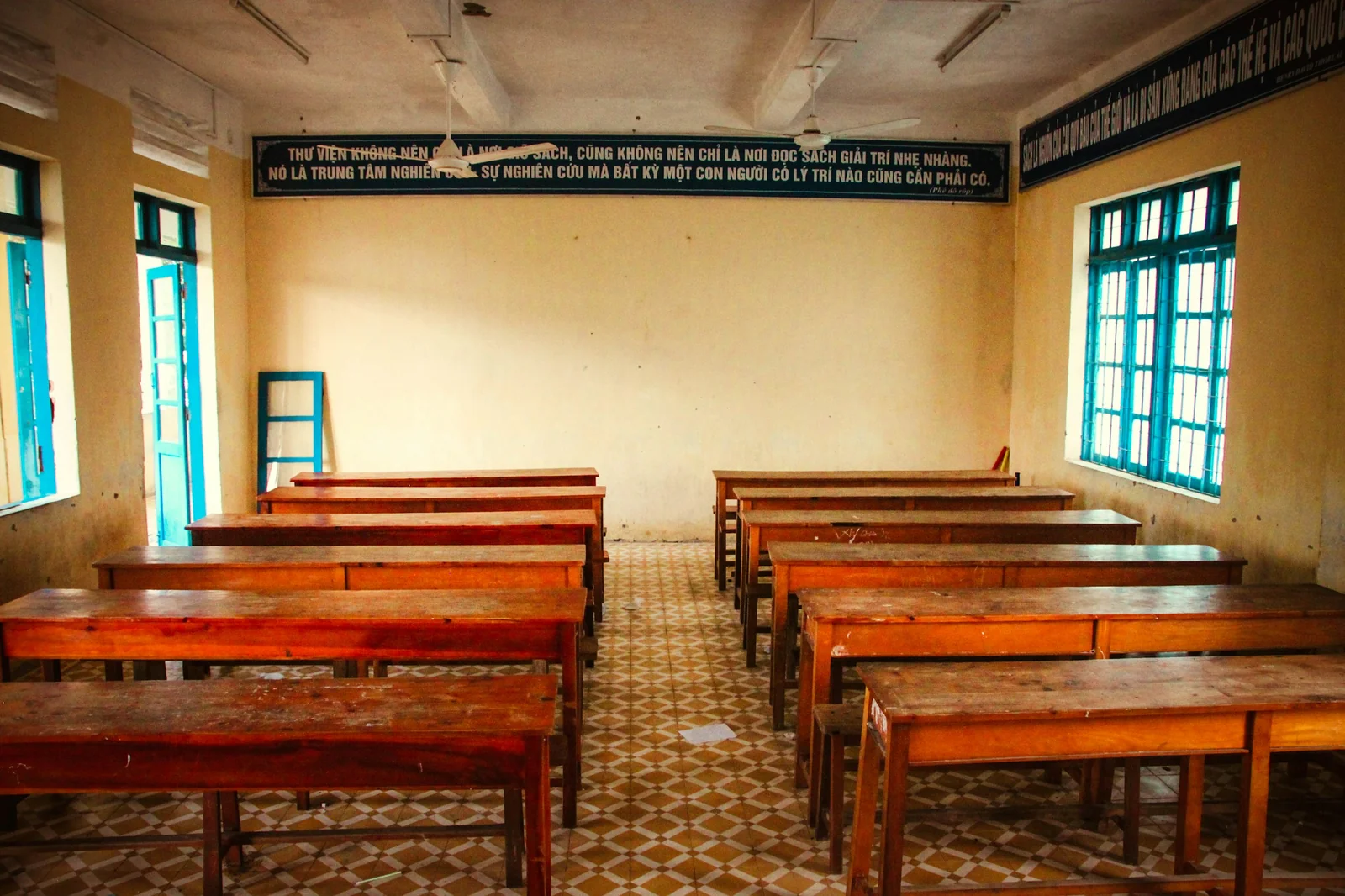
We consider reading, the board and changes in daylight during the day.
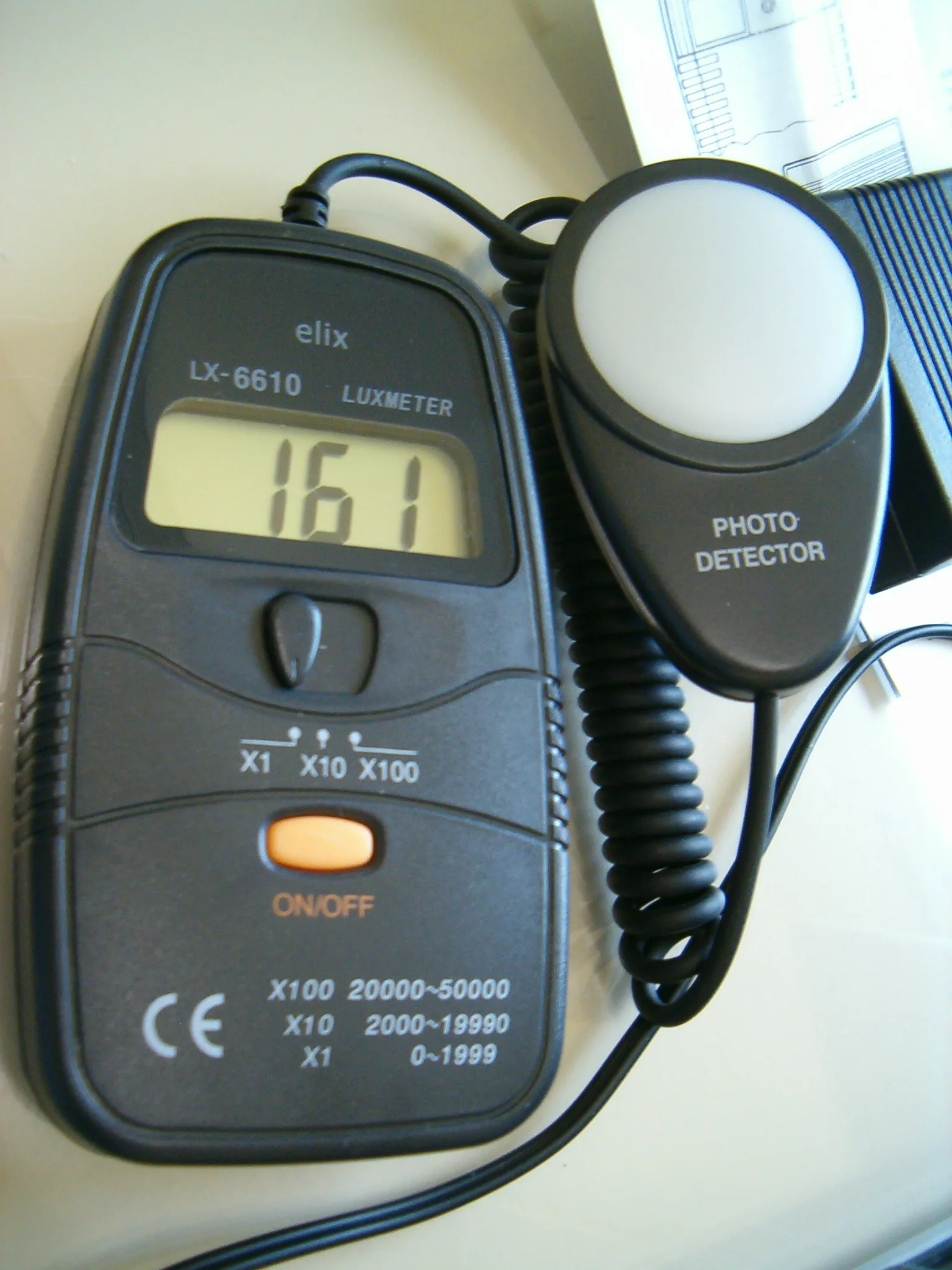
We define the measurement plane, operating conditions and criteria for interpreting the results.
Illustrative example. If someone has difficulty reading labels between shelves, identify the aisle, label height and shift where this happens.
Within the agreed scope, MVH documents the areas assessed, the working conditions and the findings. You can use this information to prioritize changes to layout, maintenance or design.
Service structure
Characterize areas, activities and tasks, assess conditions and investigate further when the issue requires it.
Prioritize findings, guide decisions and provide design or technical support when included in the agreed scope.
Integrate emergency lighting from diagnosis through testing and documentation, according to the module contracted.
Verify interventions and maintain traceability through scheduled follow-up.
Work and visual tasks
Color, texture, defects, contrast and the pace of work shape the technical question.
What MVH can assess
The scope may cover areas, visual tasks, work planes, surfaces, schedules, daylight and artificial lighting, light distribution, shadows, contrast, observable glare and operating conditions.
Before you commission a service
No. We determine the positions during planning and fieldwork using technical criteria. The proposal reflects the scope and actual workload.
Yes. When the scope includes a comprehensive assessment, we organize the findings and recommendations to support hazard management and decision-making.
Only when expressly commissioned. Assessment, design, implementation, certification and formal opinions are distinct scopes of work.
Next step
Initial guidance helps identify the information needed and the appropriate service.