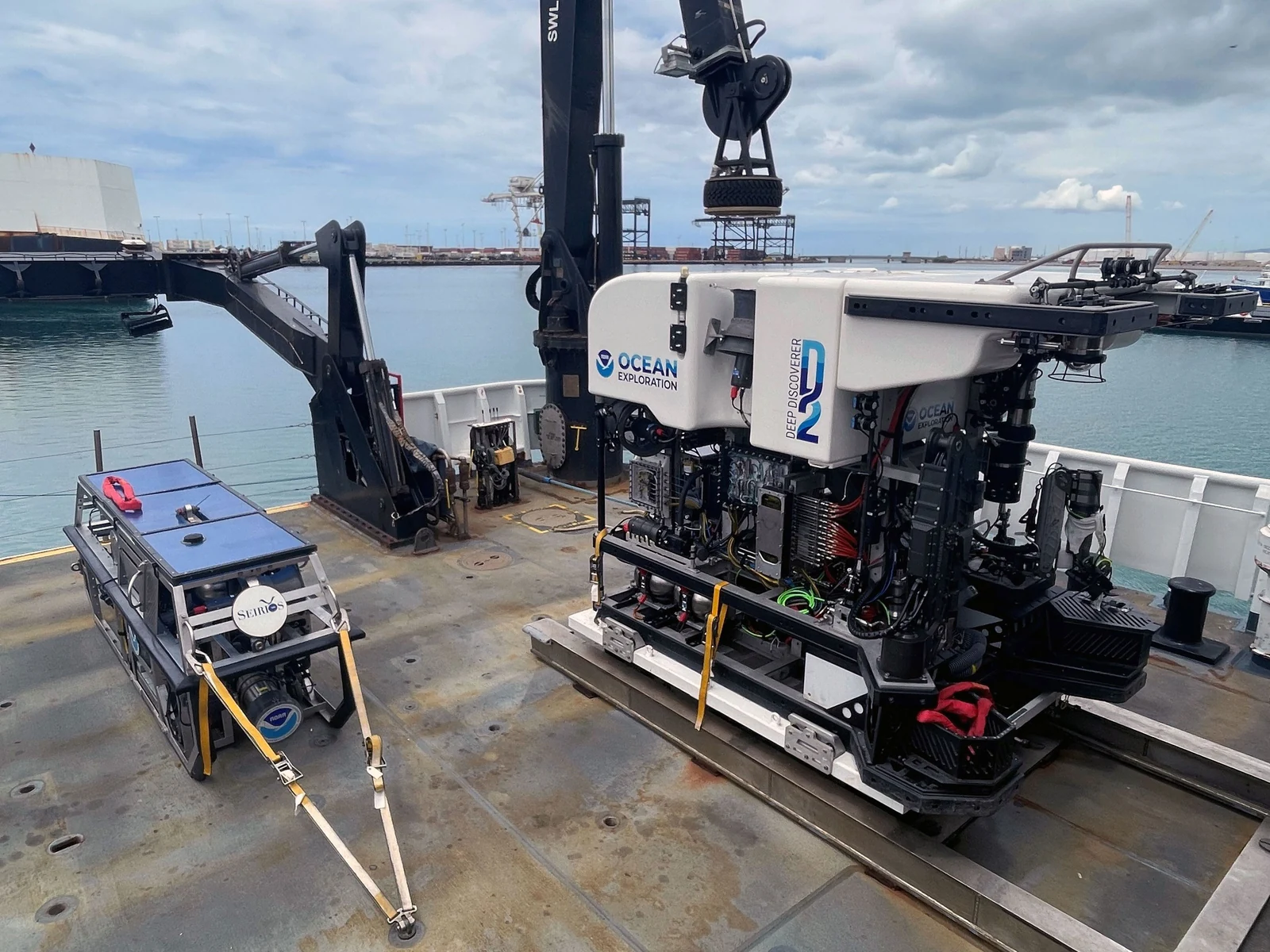
Light a work area
To see a line, a control or a load, start with the length and width of the work area and the available floodlight mounting height.
 INGENIERÍA MVH ILUMINACIÓN Y SST S.A.S. · Home
For night operations on deck, MVH assesses the work area and can quote a 150 W marine floodlight. If your task is on the quay, on the bridge or at a buoy, choose the corresponding service.
Ashore
During night unloading, we look at what the operator sees as the load passes in front of a lighting mast. We review floodlight positions, shadows between containers and changes in visibility from the yard to the quay edge.
Depending on the agreed scope, we provide a plan of the locations assessed and options for aiming or mounting. We identify the viewing position and manoeuvre in which each adjustment should be checked.
On board
To read a control or see a line during mooring, we identify where the crew looks and what can block the light. For an onboard visit, we agree with the person in charge when to observe the task and where to take readings.
The report can include a deck sketch, the measurement points, the lights in use and proposed adjustments. The crew can return to the same position after maintenance and check whether visibility has improved.
Aids to navigation
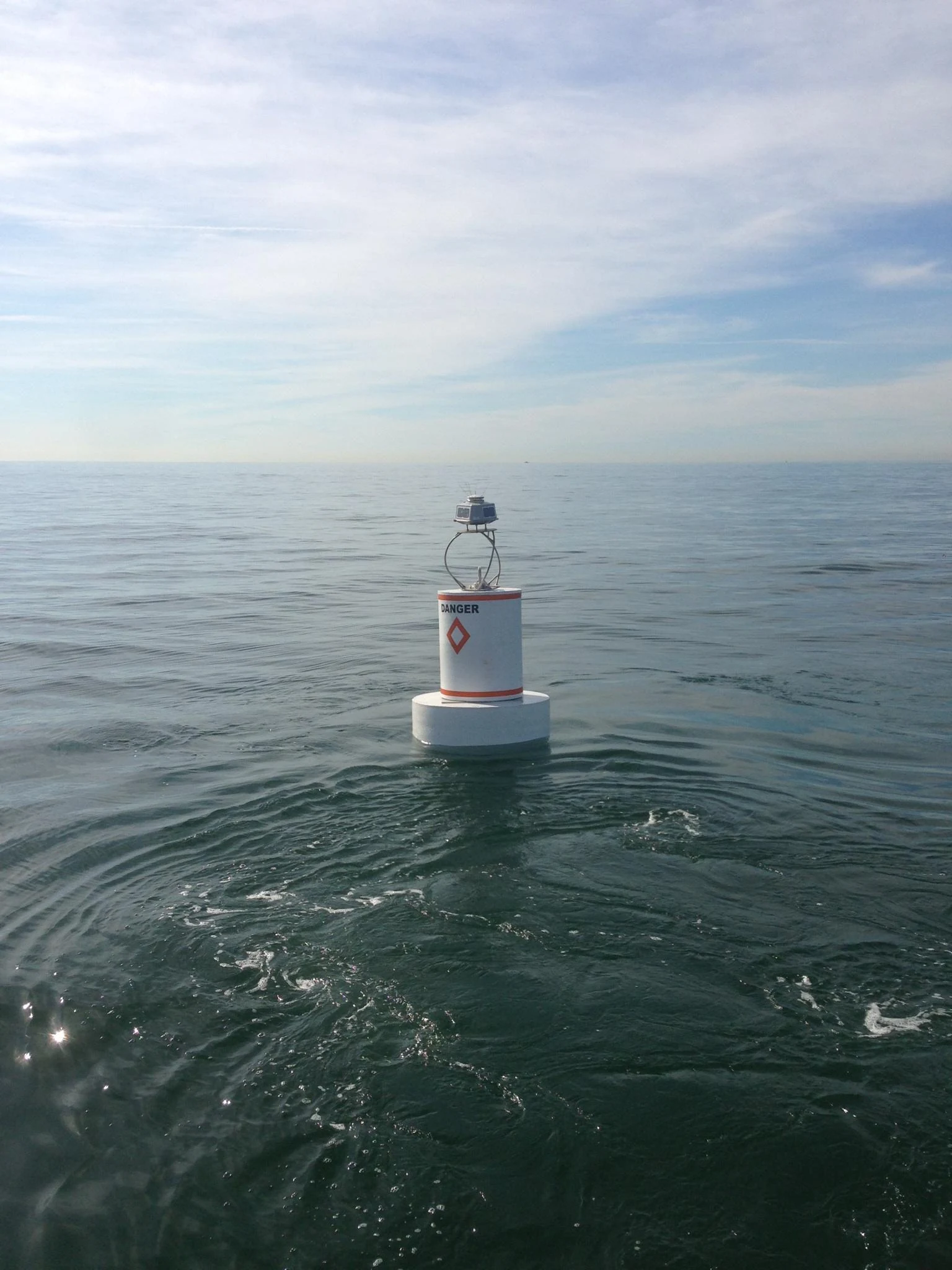
When an operator needs to replace a lantern, we start with the signal the buoy must continue to display. We compare the available data sheet with its required function, colour, flash rhythm and nominal range. For a solar-powered lantern, we also review the stated autonomy and the assumptions behind it.
A document review identifying supported specifications and the questions the lantern supplier still needs to answer. MVH’s scope here is the lighting review. The operator determines the signal and installation conditions with the competent authority.
In Colombia, DIMAR sets out the process for installing, modifying or extending aids to navigation and identifies cases handled separately. The operator should confirm the procedure for its planned work.
Offshore operations
To see a line, a control or a load, start with the length and width of the work area and the available floodlight mounting height.
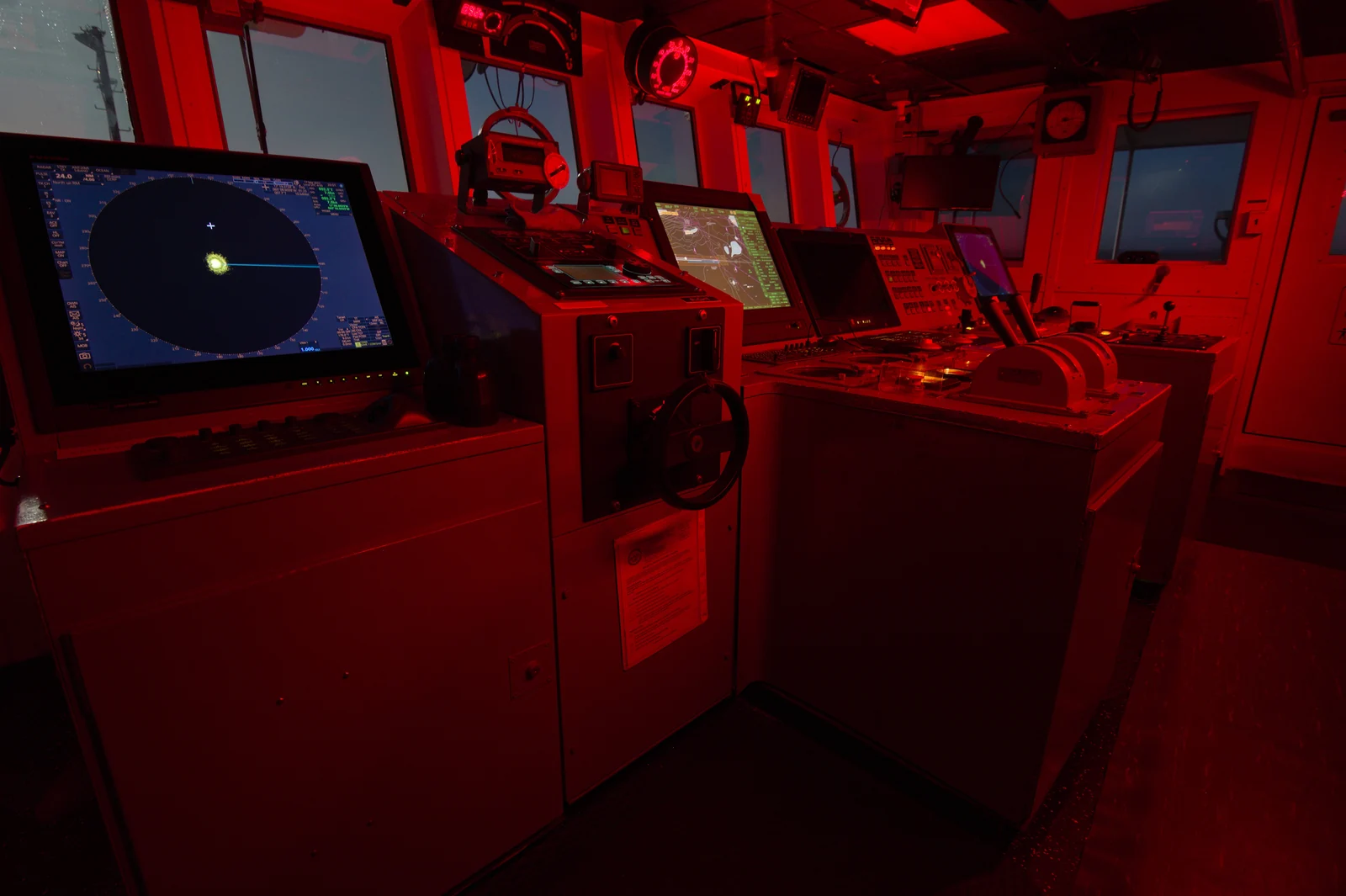
To follow an object at a distance, enter how far away you need to see it. You can compare up to two searchlights and request their photometry.
Compare deck lighting and search lighting →
For lighting a work area, the documented configuration uses a 316L stainless steel bracket and a 100–305 V AC supply at 50/60 Hz. The supplier documents list IP66 and IK10. To select the optics, we request the photometric file and work area dimensions. Optics and colour for your deck →
The family drawing groups the 75, 100 and 150 W versions together. The quoted 150 W configuration is non-dimmable. Request the mounting drawing and photometry for the selected optic before planning installation.
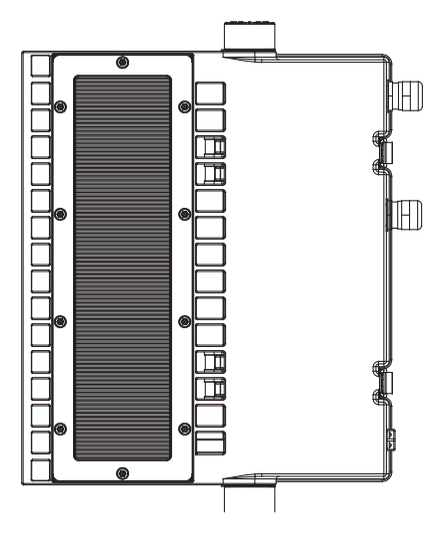
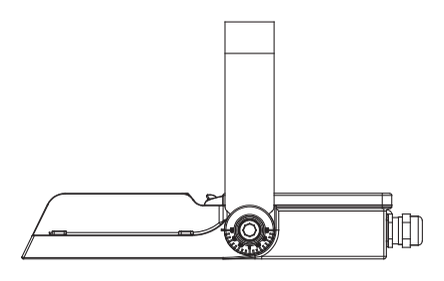
To verify the declared IP66 and IK10 ratings, request test reports for the configuration on offer. If the project specifies C5, confirm the substrate, coating system and report supporting its use in that environment.
For work in a hazardous area, provide the operator’s area classification. MVH reviews the marking and certificate for the proposed variant before recommending equipment.
Discuss this service →The first task is to see the load, the line and the deck edge during a night operation. MVH can assess the light distribution and quote a marine floodlight for this work area. View deck equipment ↓
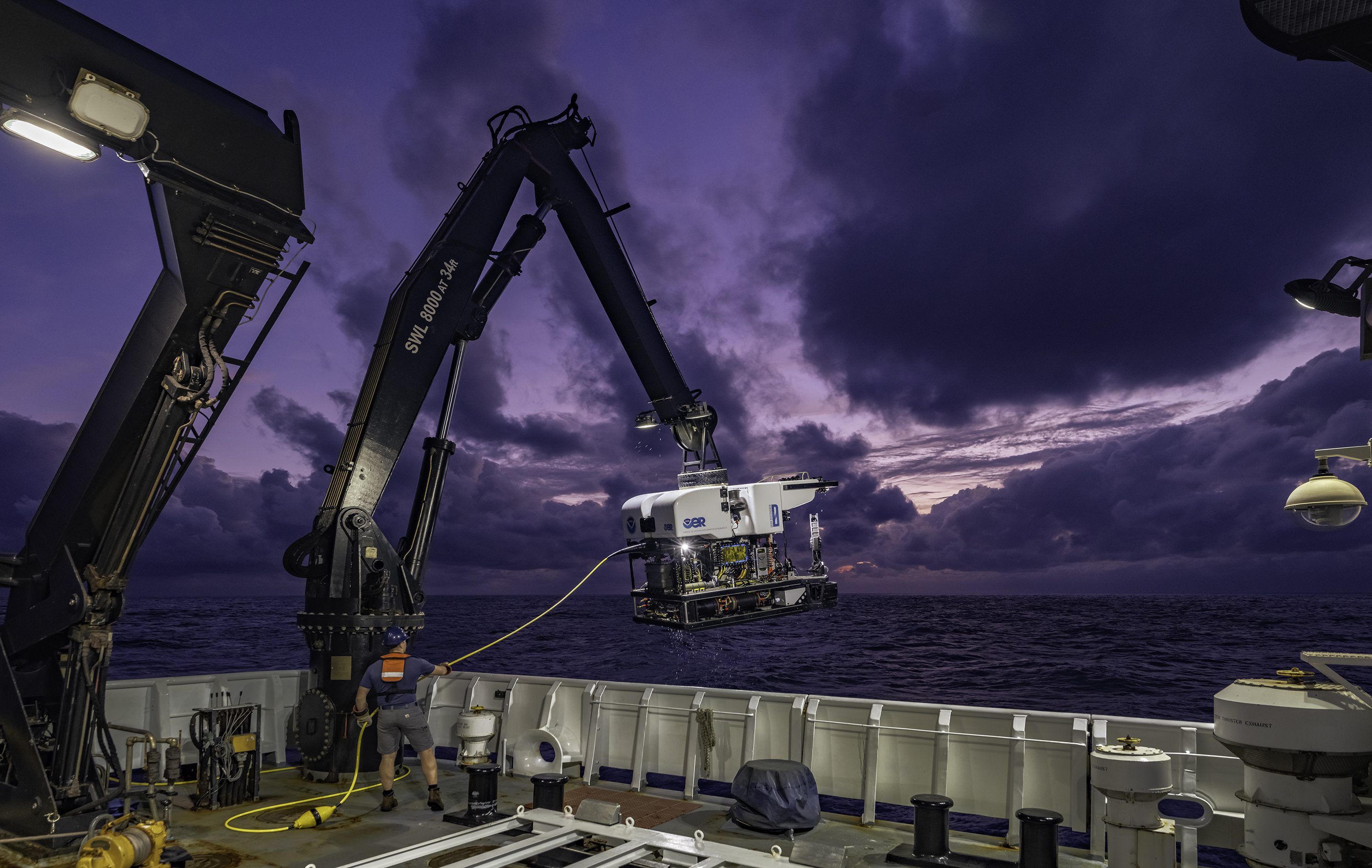
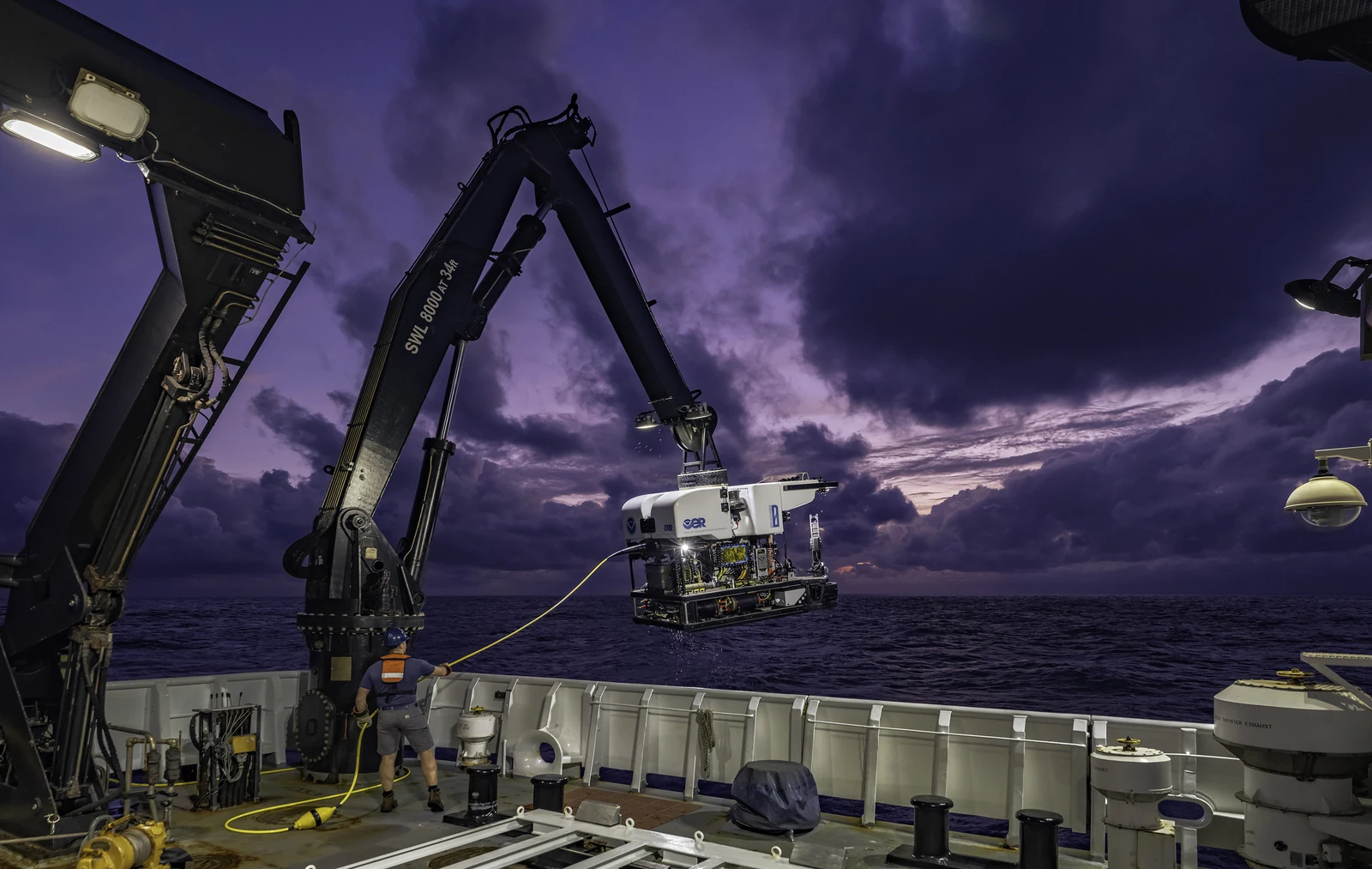
Atlantic Ocean, off Florida · November 2019
The crew of Okeanos Explorer recovers the underwater vehicle Deep Discoverer at night. Follow the line from the crew member’s hands to the load suspended alongside the ship.
MVH-MAR-001 · The 150 W quotation specifies IP66, IK10, a 100–305 V AC supply and a 316L stainless steel bracket. Choose optics and view specifications →
For continuous salt exposure or extreme temperatures, we review the coating, operating range and available tests with you before specifying the equipment. Request salt exposure and temperature documentation →
Need to locate an object from the bridge? View the 380 W searchlight and its mounting plates →
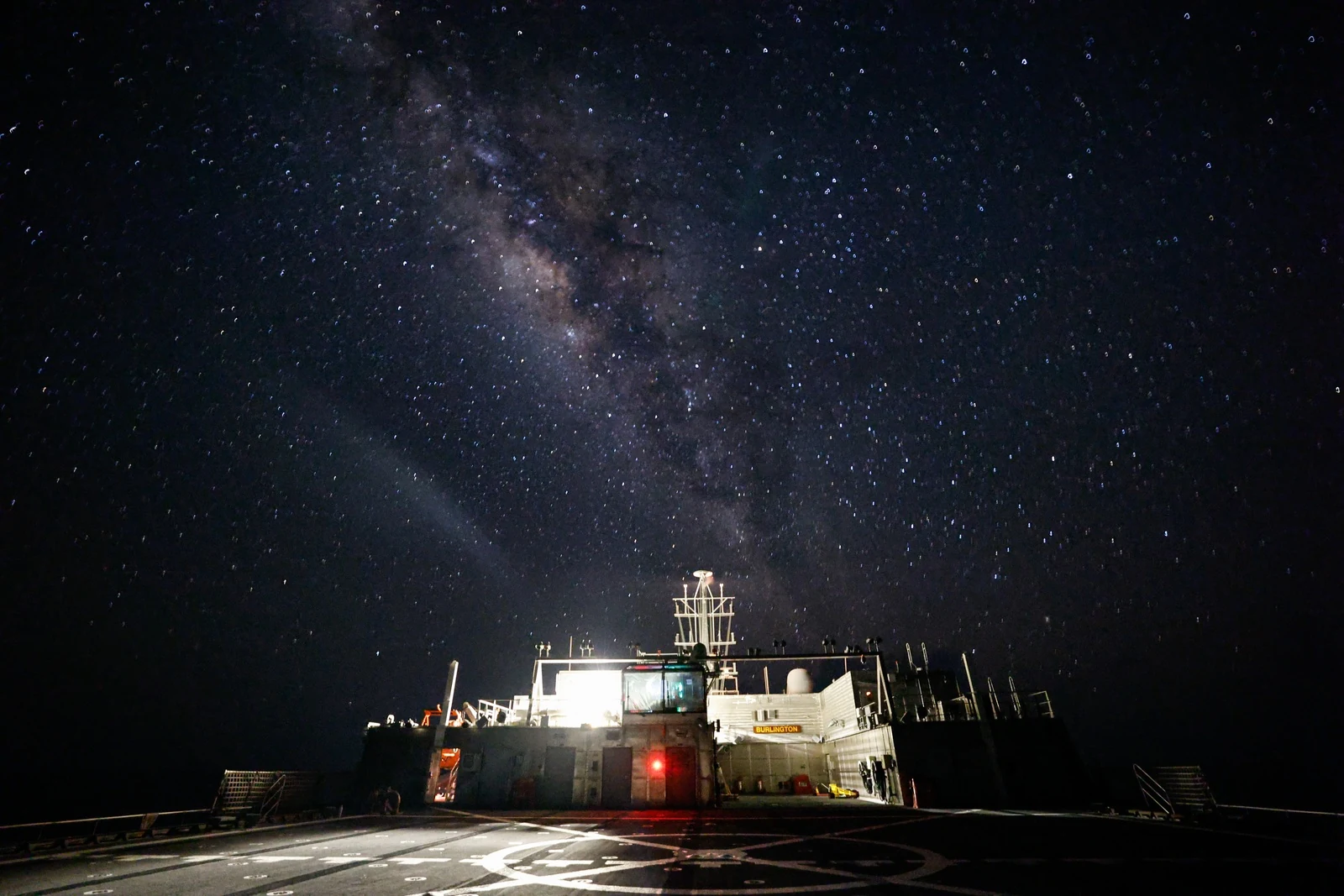
Caribbean Sea · August 2024
Aboard USNS Burlington, lights outline the superstructure beneath a starry sky. Compare the deck markings with the edge of the deck where it meets the dark sea.
Atlantic Ocean · June 2025
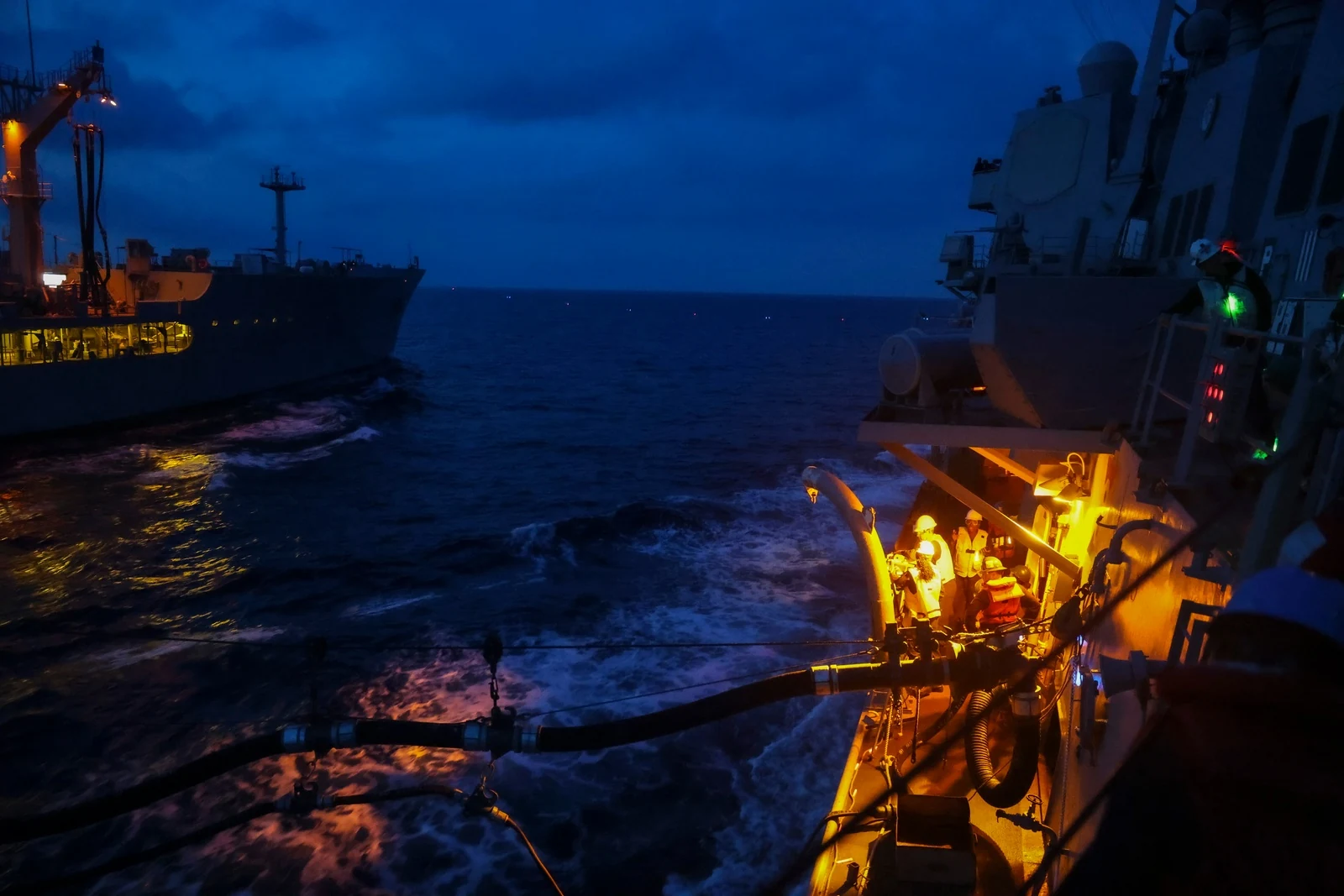
USS Bulkeley sails alongside USNS Joshua Humphreys. A work light picks out the crew in the foreground. Across the water, the outline of the second ship is visible.
Gulf of Oman · November 2019
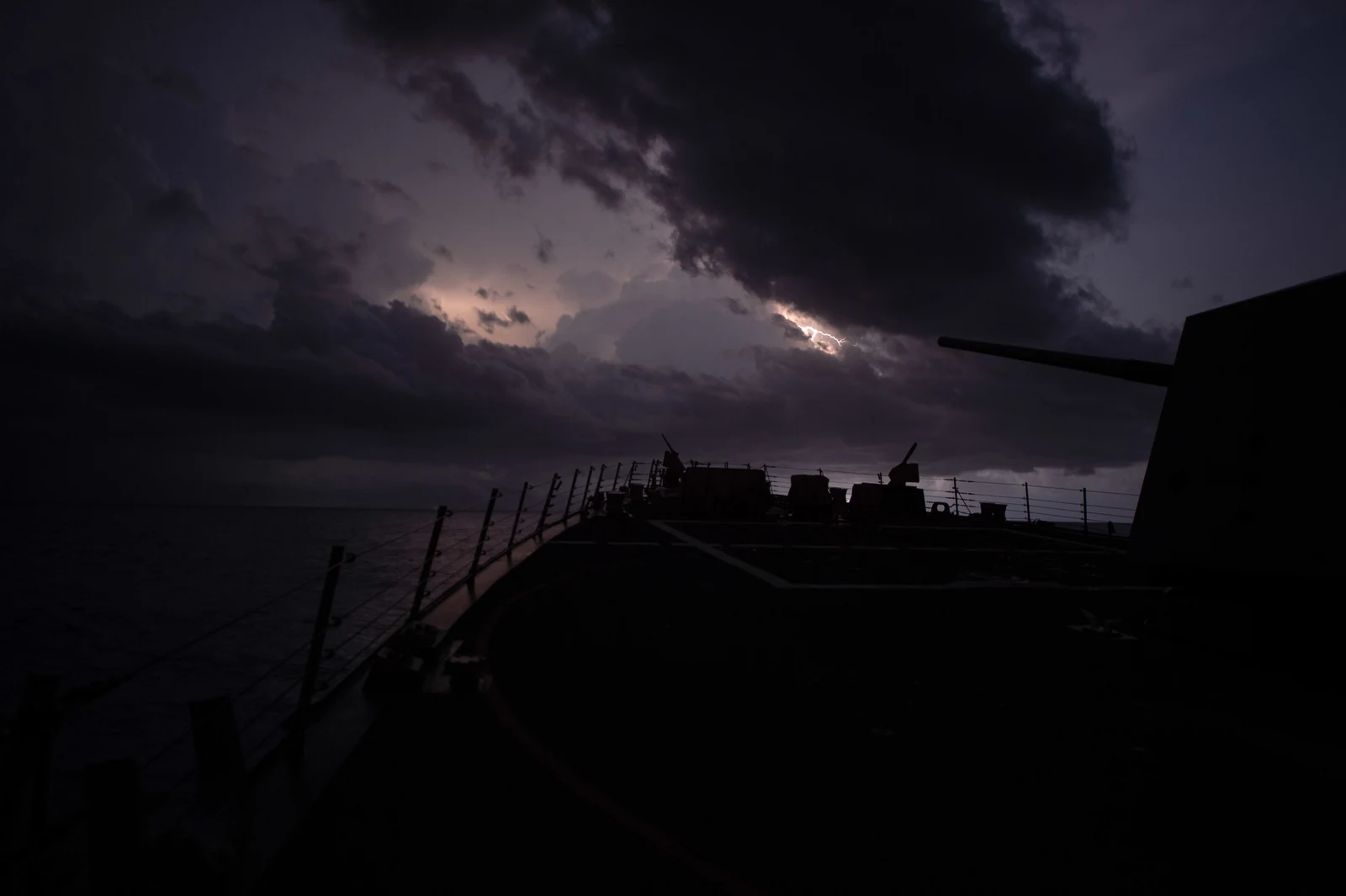
From the bow of USS Farragut, the camera catches lightning lighting up the clouds. The deck is silhouetted in the foreground. Can you follow the horizon on both sides of the flash?
Arctic Ocean · December 2019
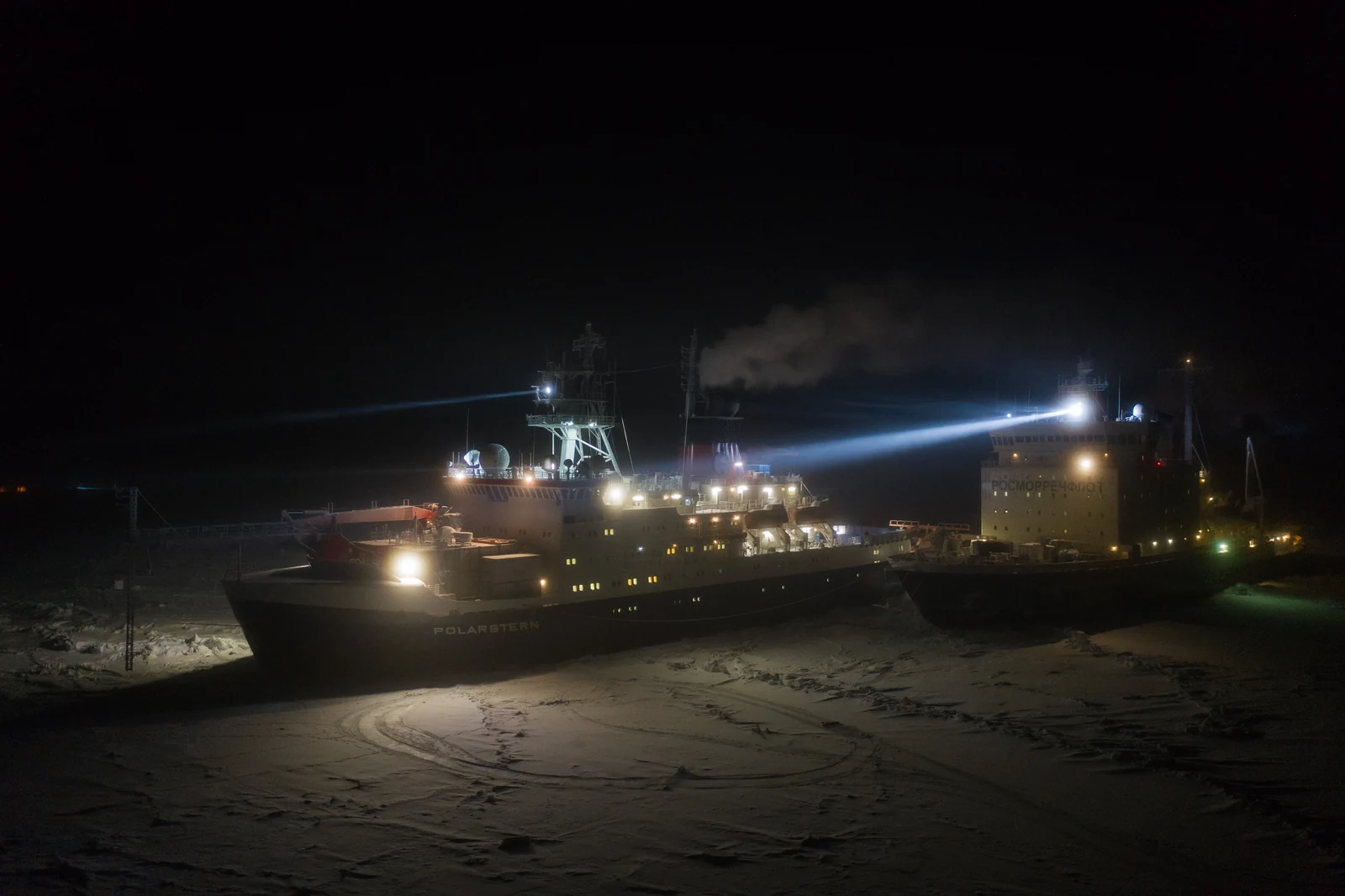
During the MOSAiC expedition crew change, Polarstern and Kapitan Dranitsyn meet in the sea ice. Follow the beams crossing above the ships and look for the deck lights picking out the contours of the snow.
Hinlopen Strait, Svalbard · July 2015
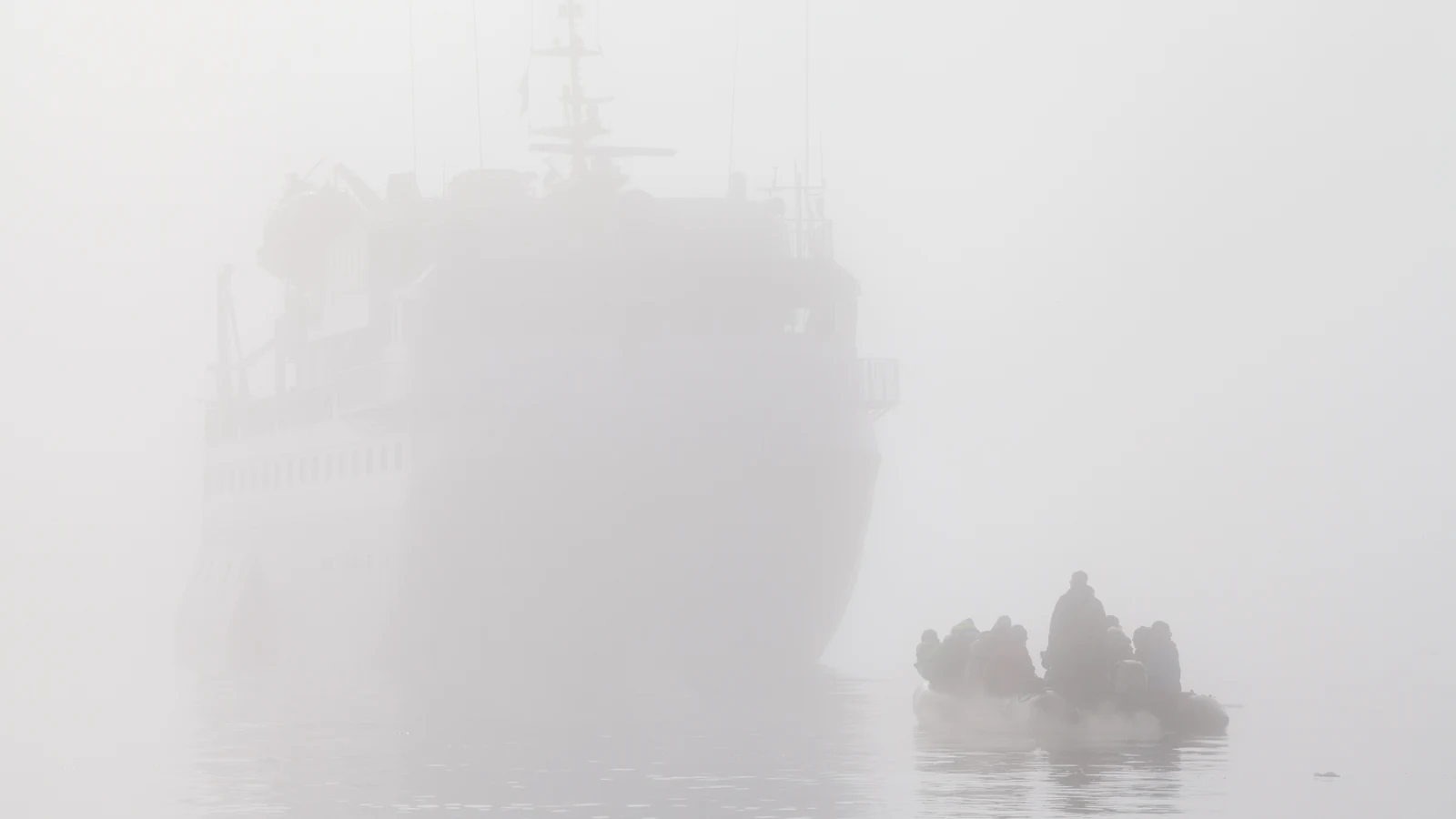
A tender returns to its ship in fog. Find the people in the small boat first, then look for the ship’s hull. Even in daylight, the two outlines differ in clarity.
The appearance of U.S. Department of War (DoW) visual information does not imply or constitute DoW endorsement.