
Emergency lighting assessments
We assess lighting for escape, orientation and safe task shutdown when normal lighting fails. We agree on the assessment, measurements and tests your installation needs.
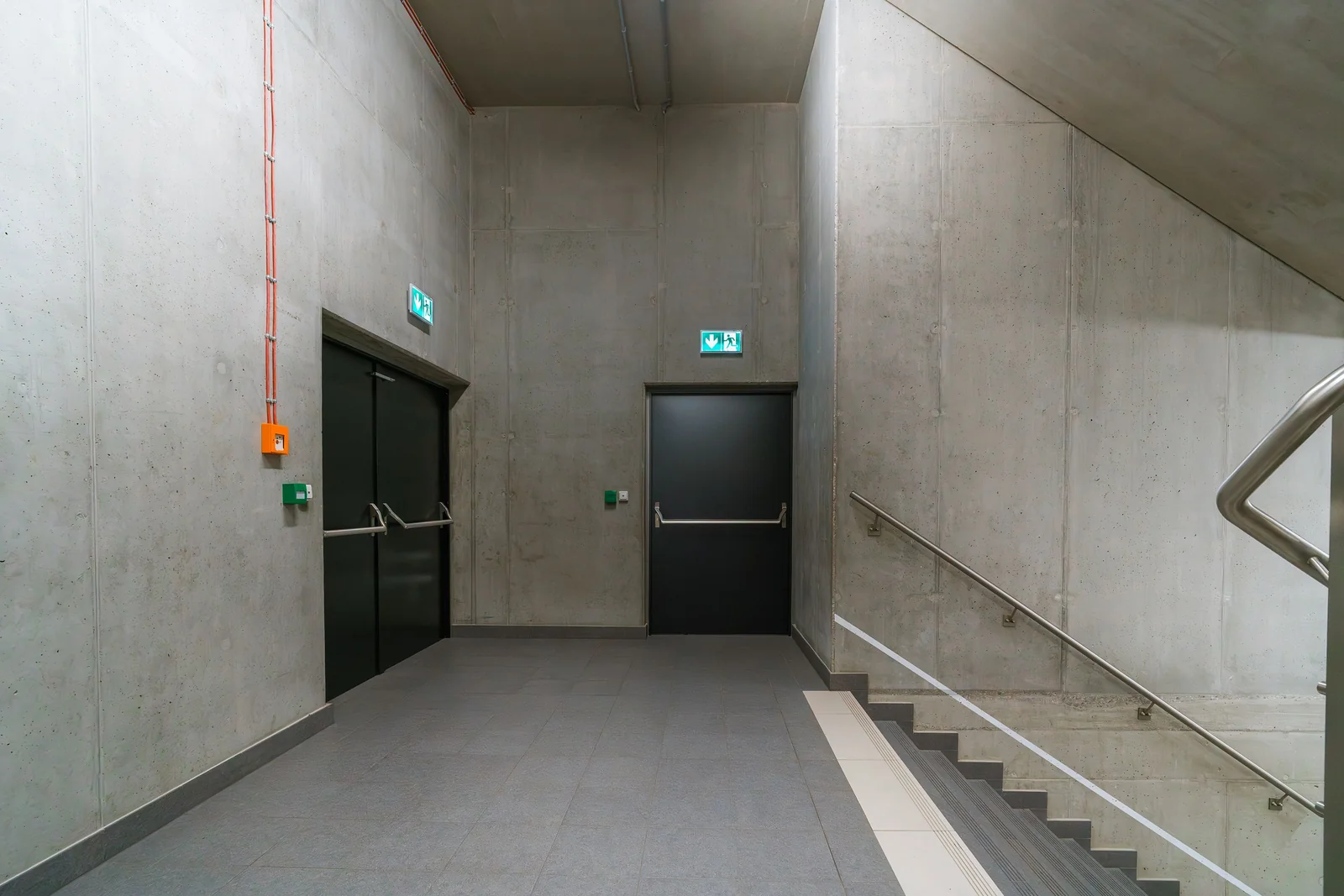
Every part of the escape route needs light
Explore routes, stairs, exits and open areas. The photographs show the spaces to assess; operation on the backup supply is verified through testing.
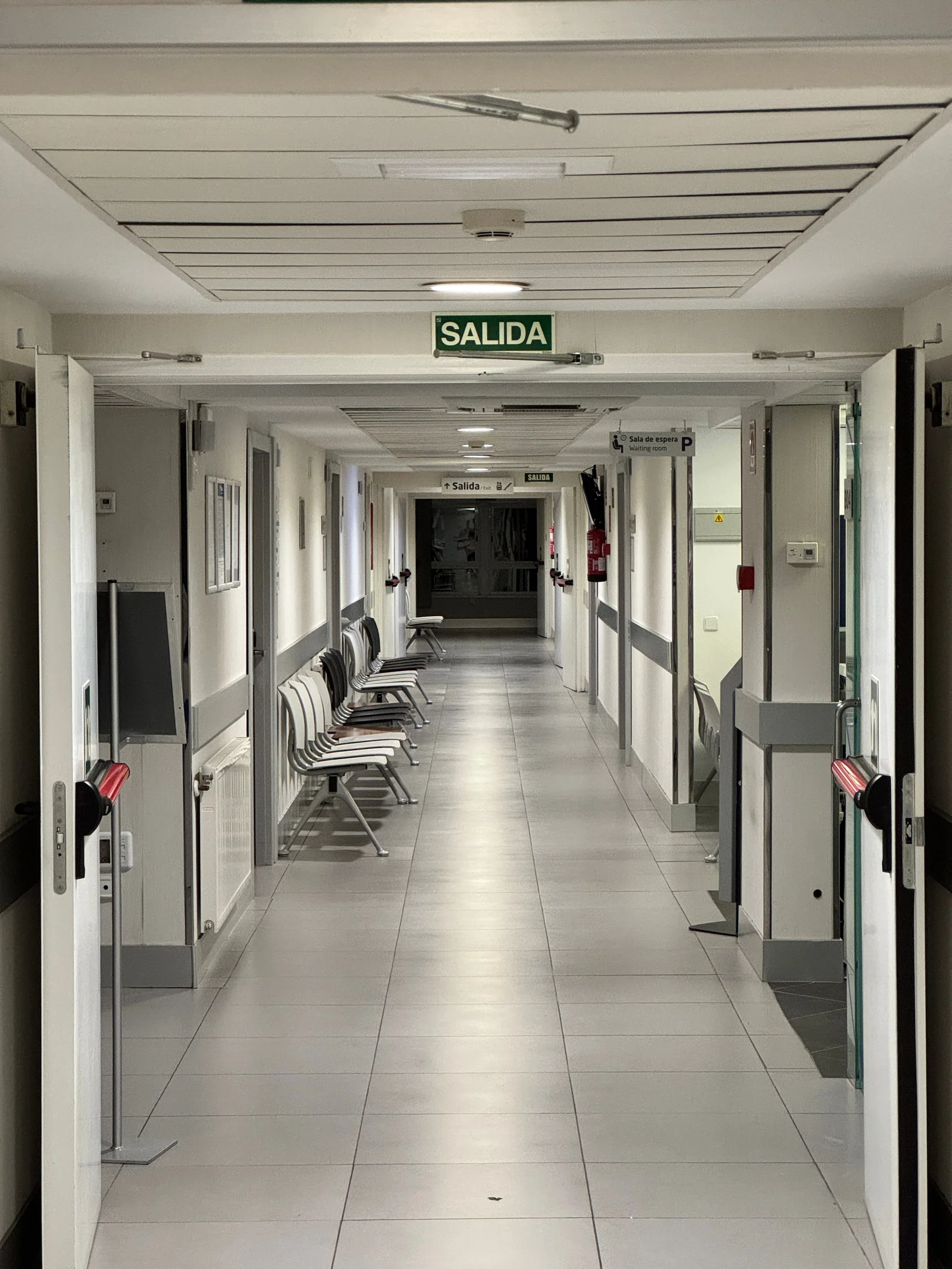
Escape routes
We assess route continuity and the visibility of obstacles and changes of direction.
Stairs and level changes
We assess light on steps, landings and access points so the next step can be distinguished.
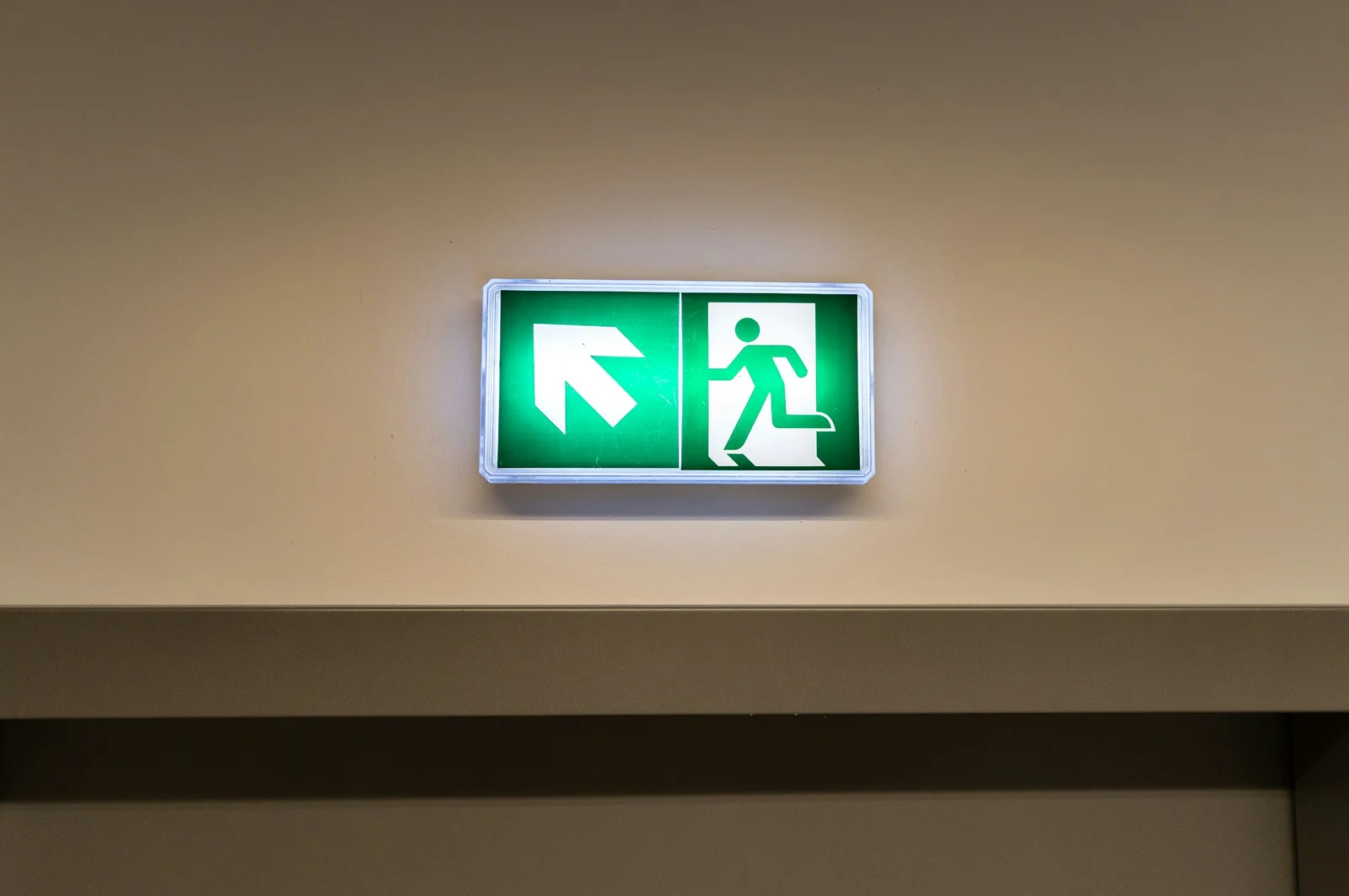
Exit signs
We assess the position, visibility and direction of signs from the occupants’ viewing positions.
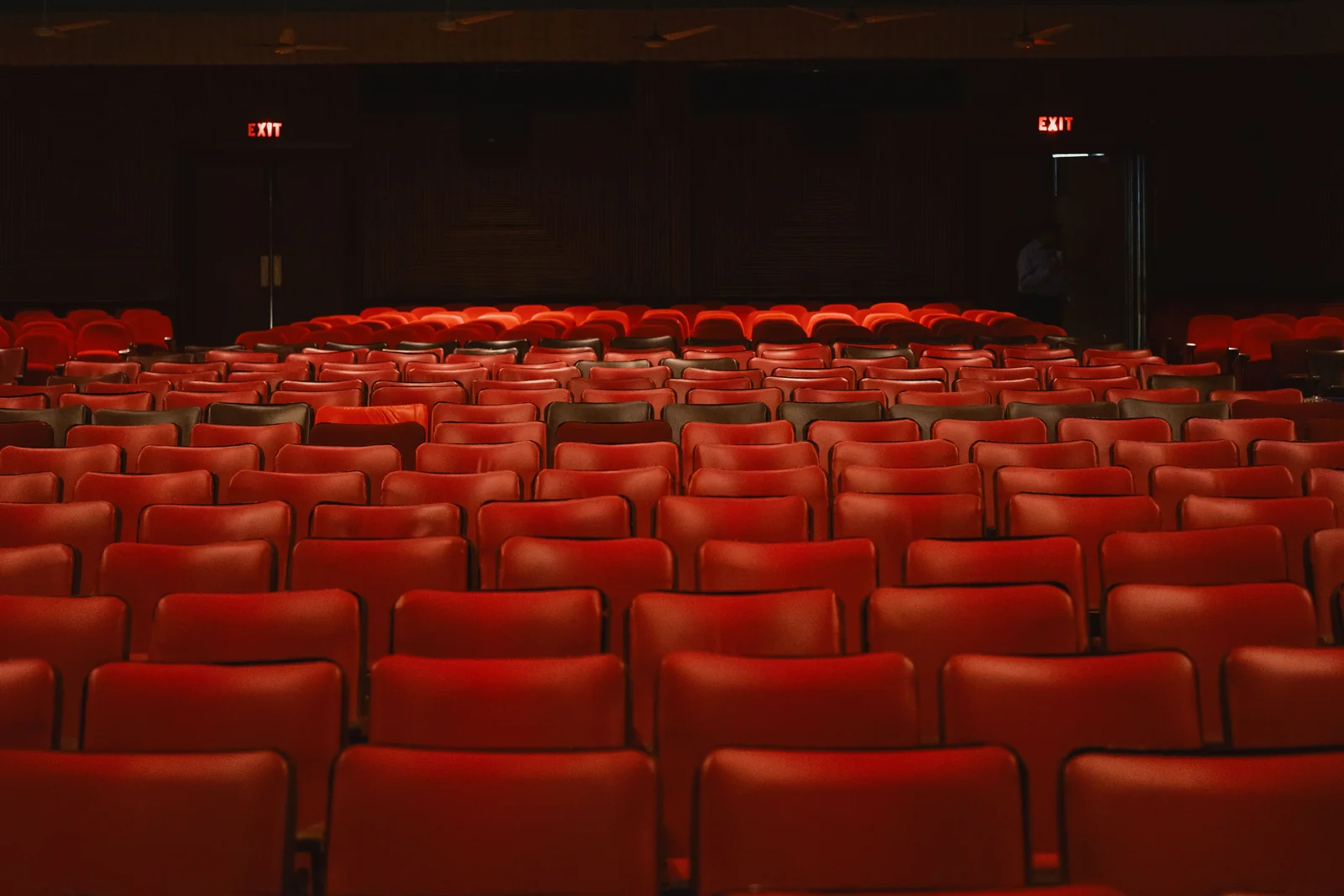
Open areas and anti-panic lighting
In auditoriums, lobbies and assembly areas, we assess how occupants can find their way to escape routes.
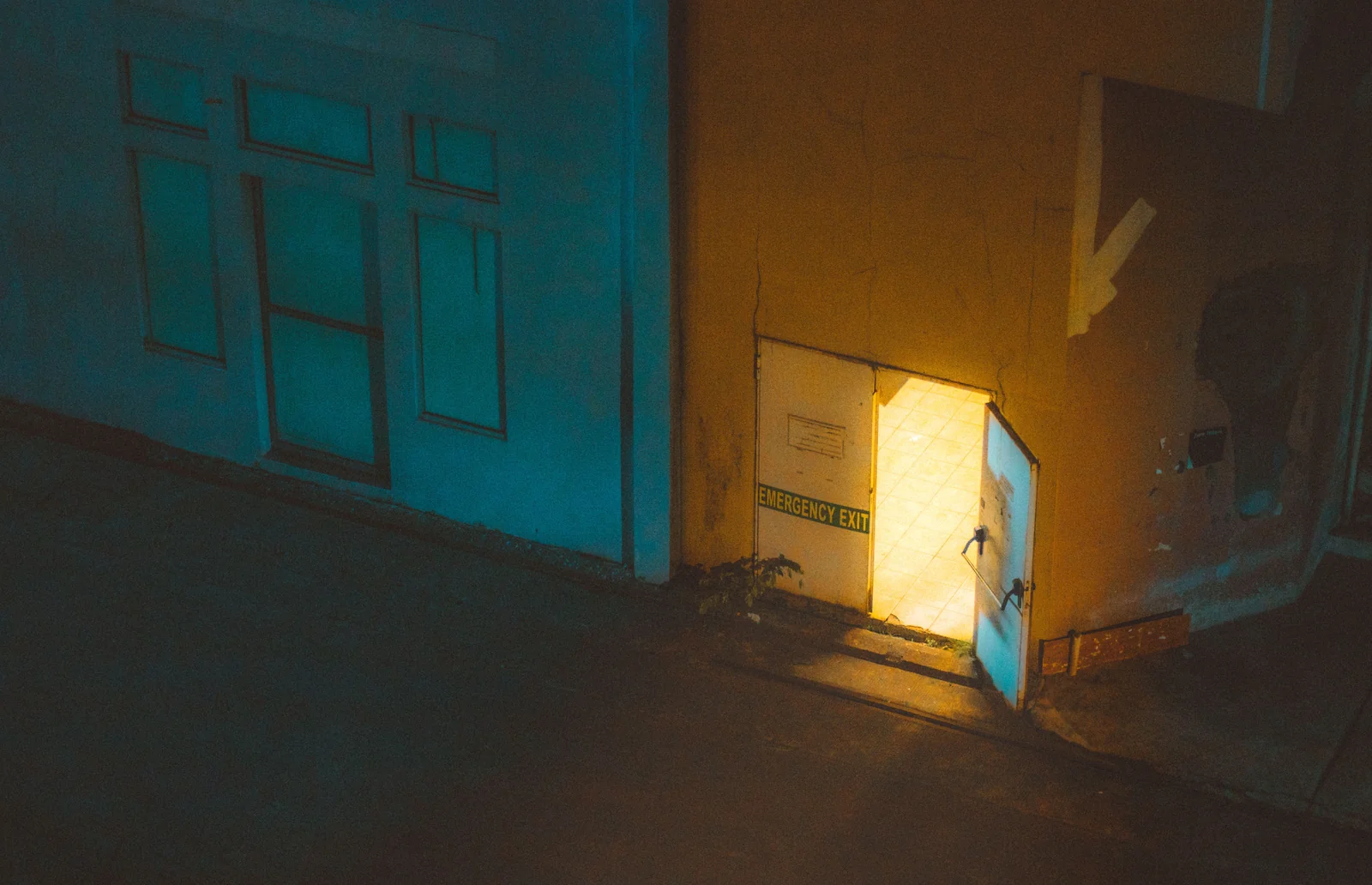
Final exit and outdoor route
We assess the transition outside and the route needed to reach a place of safety.
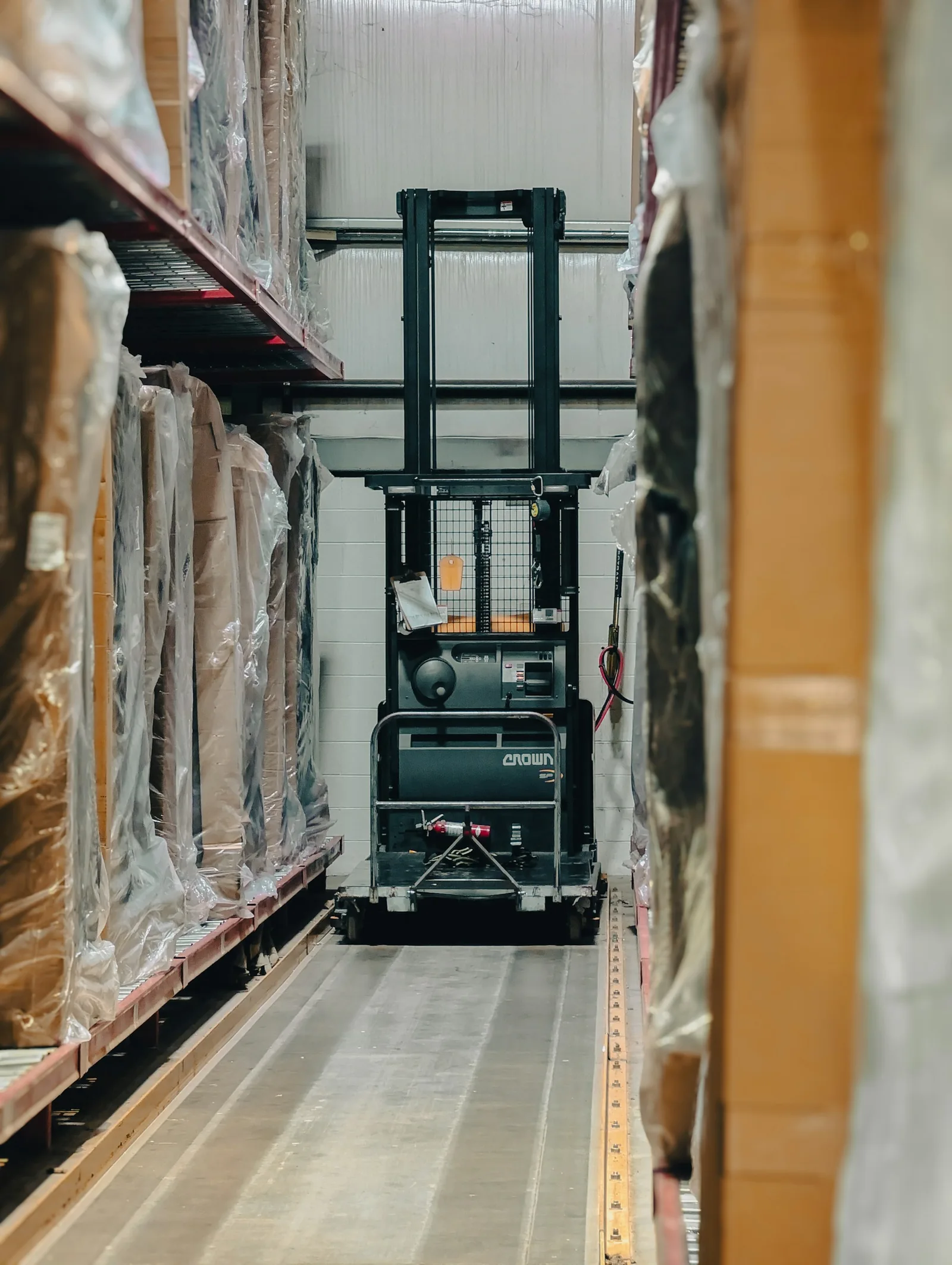
High-risk task areas
With the process owner, we identify tasks that need light for safe shutdown if normal lighting fails.
Assessing an escape route
Tell us the type of building and the section you are concerned about, such as a staircase or a warehouse exit.
What you can expect
We can agree on an equipment inventory, review coverage and document findings and authorized tests to help plan maintenance.
MVH emergency lighting modules
Select the stage you need to review.
- EM-01
Diagnosis and scope
Inventory, context, documentation, risks and service definition.
- EM-02
On-site illuminance verification
Planned measurements at the specified positions and under defined conditions.
- EM-03
Commissioning support
Technical support during controlled, authorized activation.
- EM-04
Functional and duration testing
Record of activation, operation, duration, failures and restoration.
- EM-05
Documentation, maintenance and continuity
Consolidation of evidence, outstanding items, maintenance and traceability.
Safety conditions
Every test requires separate authorization for switching operations.
The work must distinguish escape routes, open-area anti-panic lighting, high-risk tasks, signs and continuity where applicable, changes in level, stairs, intersections and safety equipment.
- Prior authorization for switching operations or power interruptions.
- A competent person in charge and a risk assessment.
- Contingency arrangements and safe working conditions.
- Record of the system, power source, battery, operating duration and evidence.
Next step
Let’s discuss your needs before defining the scope.
Initial guidance helps identify the information needed and the appropriate service.