Interiors
Workplaces, industry, logistics, retail, education, healthcare and critical visual tasks.
 INGENIERÍA MVH ILUMINACIÓN Y SST S.A.S. · Home
From the first measurements to commissioning, we assess how light reaches the task and which adjustments are worth making.
Discuss this service → WhatsApp
We connect the design, luminaire selection and measurements with the task to be illuminated.
We define drawings, calculations and specifications according to the project scope.
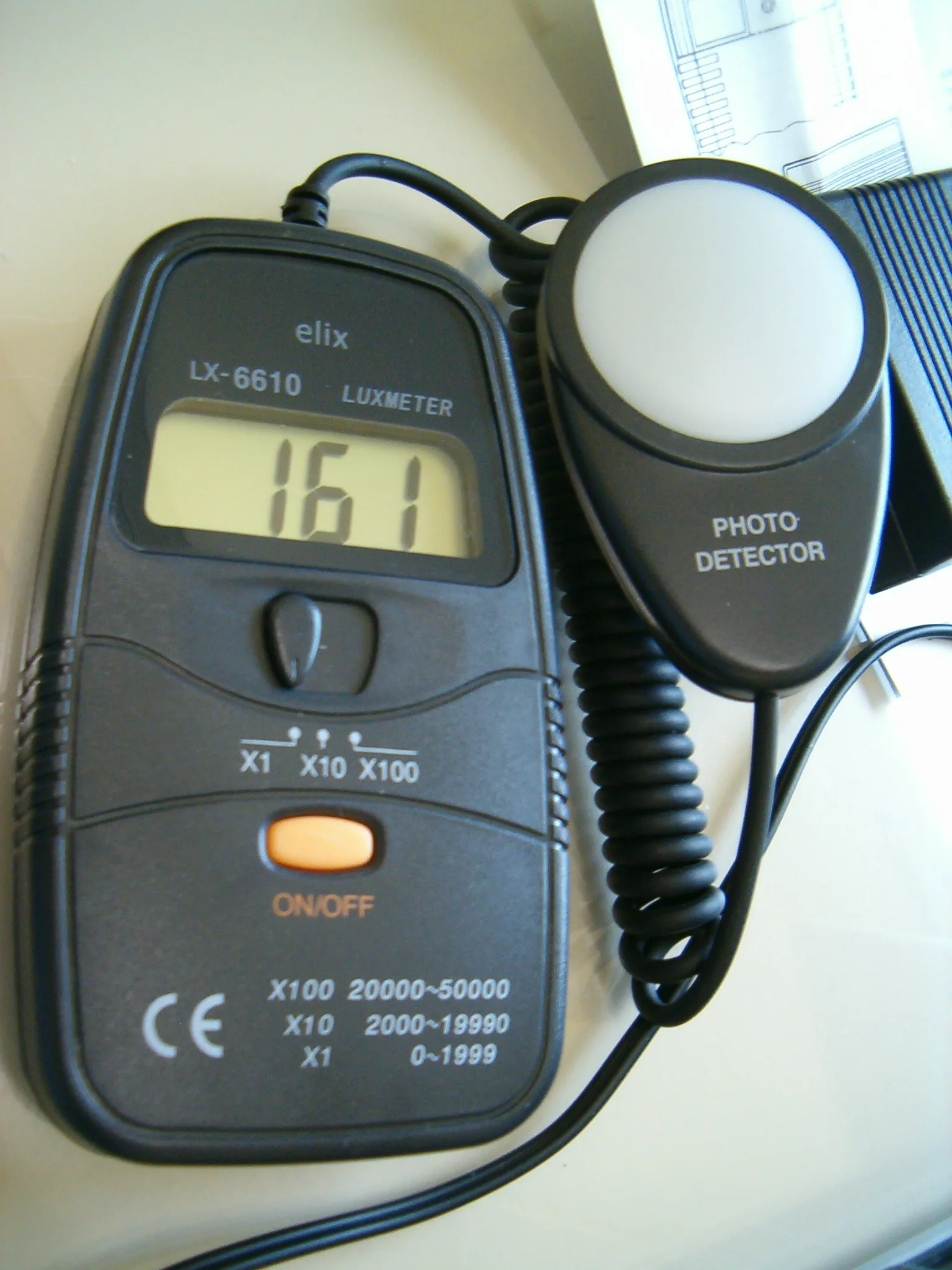
We compare measurements with the agreed criteria and document the assessment conditions.
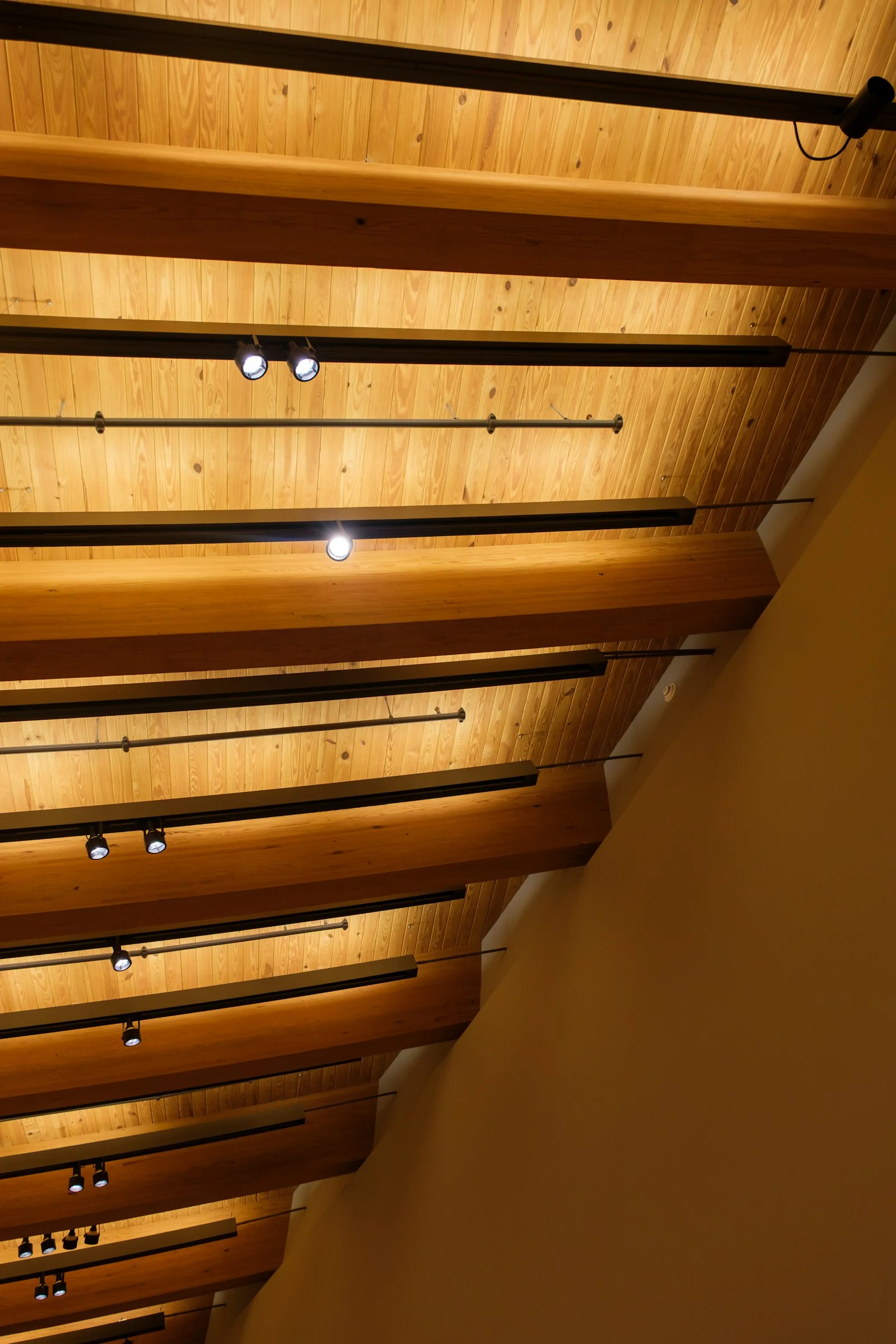
We review mounting, optics and aiming to direct light onto the required surfaces.
We work with public agencies, businesses and operators that already have plans, an inventory or work under way. Together we review progress and agree which lighting issues need attention.
We can measure outstanding points, review calculations and specifications, or check the installation against the design. Your team receives findings and recommended actions. Training is also available on interpreting measurements and following up on maintenance.
Discuss this service →In a rural school, we assess whether a student in the back row can read the board and which lights stay on when daylight enters the room. In health posts and community facilities, we start with the tasks and hours of use in each space.
The facility manager receives an assessment and options for lighting layout, controls or replacement, with estimated energy use for each. If the improvement involves electrical networks or additional supply capacity, we coordinate that work with electrical specialists within the agreed scope.
Discuss this service →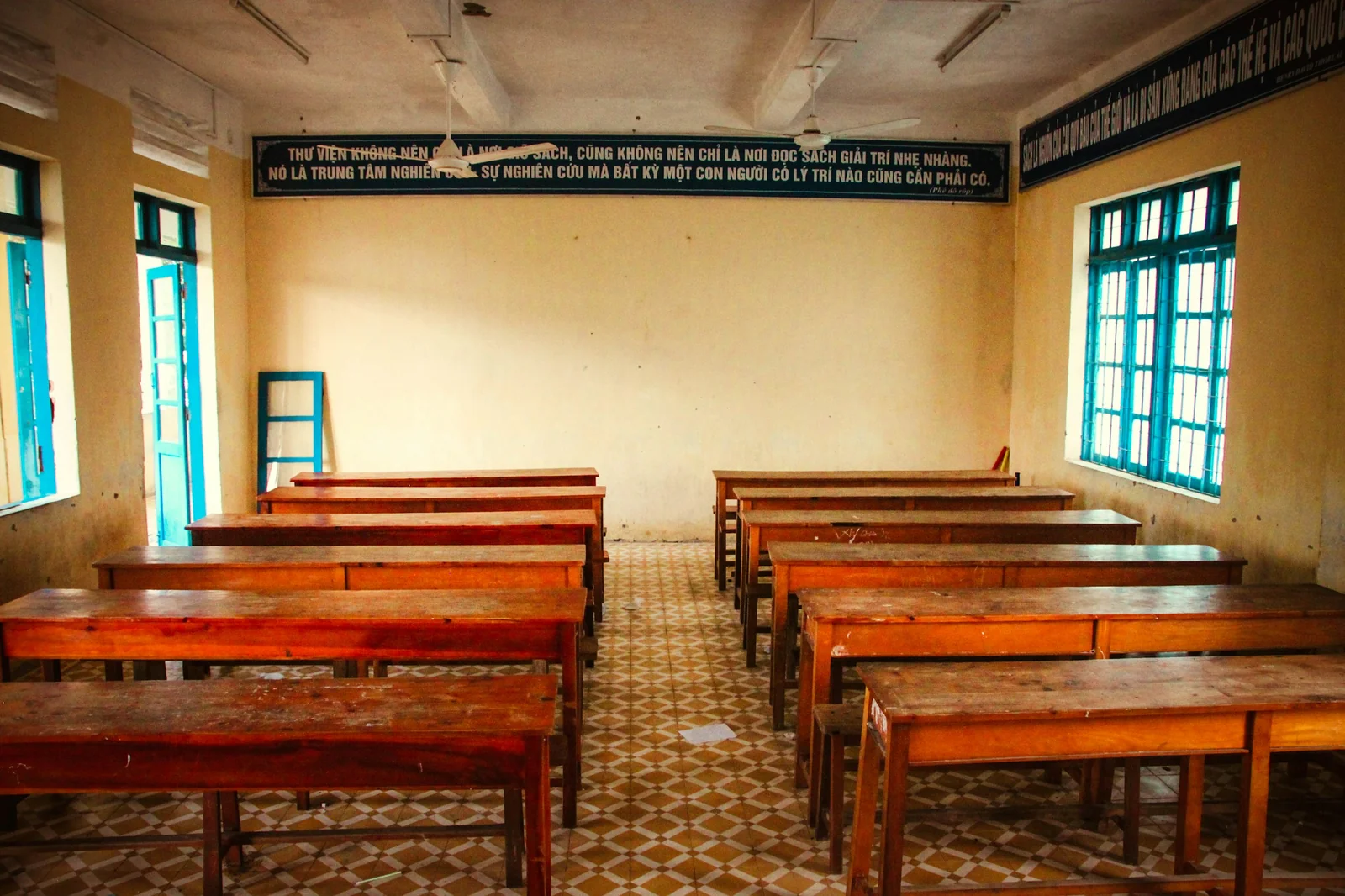
In a classroom, the desk and the board receive light on different planes. We record the measurement points, height, time, daylight contribution and circuits in use. This lets us compare field readings with the design and check for reflections from the student’s seat.
In Colombia, we establish the use of the space, the date and the scope of the works to identify applicable requirements and transitional provisions. RETILAP covers lighting products, the installed lighting system and conformity assessment. If work includes circuits or protective devices, the qualified professional also reviews RETIE. For a project in another country, we identify local requirements before specifying equipment.
The proposal identifies who designs the system, who installs it and what MVH verifies. When a formal inspection report is required, the inspection body must be accredited for that scope.
Design capabilities
MVH develops the lighting design and establishes which disciplines and qualifications each project needs before a contract is signed.
Workplaces, industry, logistics, retail, education, healthcare and critical visual tasks.
Yards, parking areas, large open spaces, circulation routes, loading areas, façades and nighttime operations.
Roads, sidewalks, cycle routes, parks, squares, rural communities, settlements and territories.
Community courts, multisport courts, indoor arenas and professional sports venues.
Escape routes, open-area anti-panic lighting, high-risk tasks, signs, operating duration and continuity.
Production sites, collection centers, processing plants, greenhouses, aquaculture and rural areas.
Docks, yards, warehouses, walkways, terminals and nighttime operations on land.
Daylight, efficiency, dimming, remote management, maintenance and subsequent verification.
Visual requirements, photometry, lighting quality, selection criteria, controls and evidence.
Qualified professionals handle electrical, structural, civil and sector-specific work.
Tunnels, hazardous areas, airfields, hospitals and professional sports facilities require specific validation.
Training in lighting supports the technical work. Where regulatory declarations require a signature, the authorized signatory is determined by professional registration, qualifications, experience and verified legal scope.
From specification to evidence
Comparing luminaires requires considering photometry, optics, environment, controls and maintenance together.
Verification documents conditions and findings without assuming the outcome of certification or formal review.
Next step
Initial guidance helps identify the information needed and the appropriate service.