
How MVH assesses lighting
A lux reading becomes meaningful when we know what the person needs to see, from where and at what time. Here is how we turn a difficulty in the field into a recommendation your team can check.
Discuss a task on my project →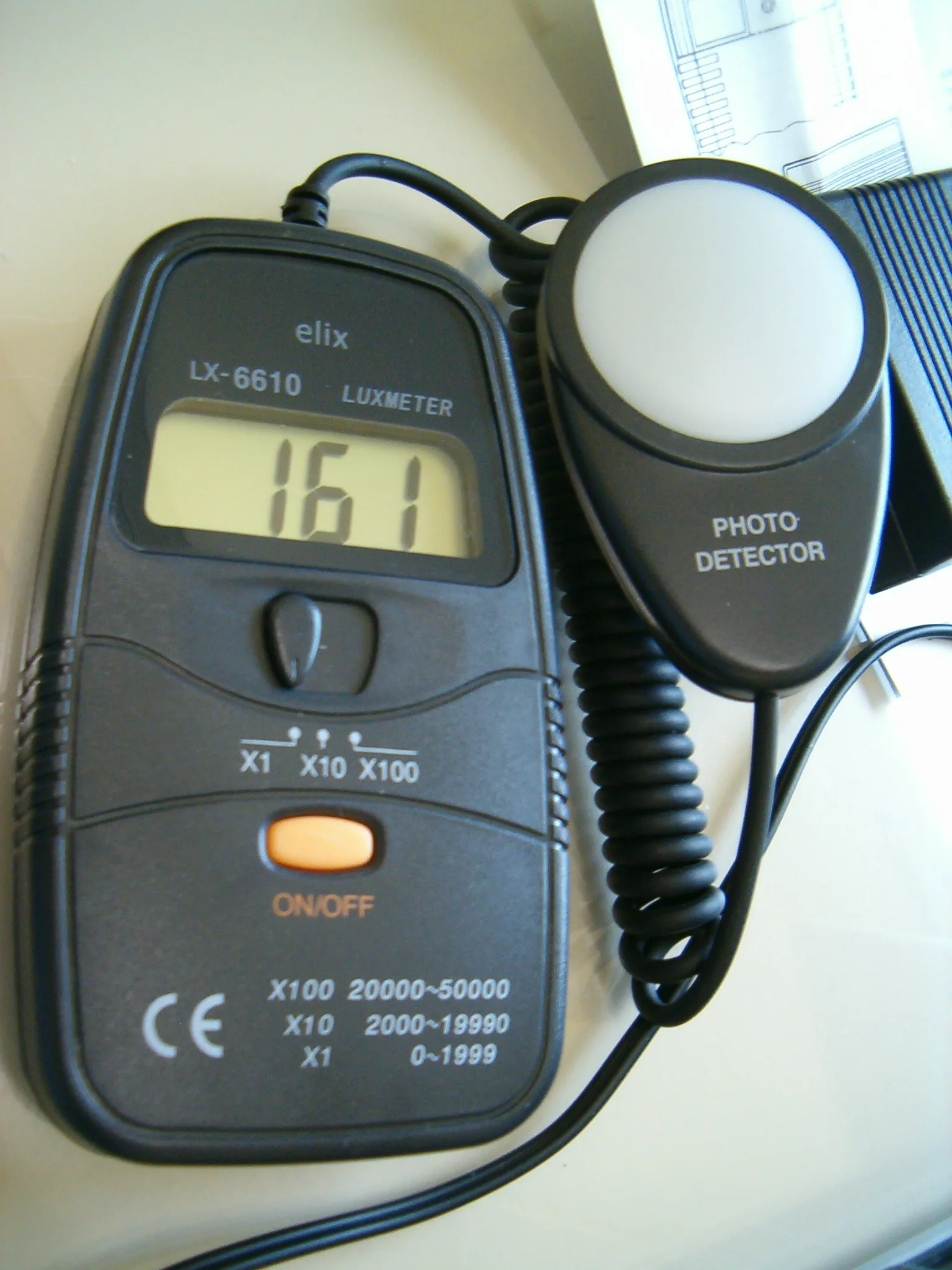
Reading a label on the night shift
Talk to the person doing the work
When a label is hard to read in shadow, we ask the person who reads it to show us the shelf, the height and their viewing position. With the client, we agree on the area, shift and decision the report should support.
Measure where the task takes place
We identify the applicable technical criterion and record its source. For the label, we measure on its plane and record the instrument, operating conditions and measurement locations. We also look for reflections and shadows from the reading position.
Recommend an adjustment and check its effect
The report identifies where the difficulty occurs, the evidence behind the recommendation and the limits of the assessment. After a luminaire is re-aimed, the readings can be repeated at the same points and the person can try reading the label again under comparable conditions.