Adjust the angle or distance until the circle is about 2 m across.
This model spreads 1,000 lm uniformly inside a circular beam on a perpendicular surface. Use luminaire photometry to calculate illuminance in an installation.
Approximate hue at the centre
Mix the three channels to make bright yellow at the centre.
Label receiving direct light
A shelf casts a shadow on a label. Try doubling the power. Then move the lamp until direct light reaches the whole label.
Diameter equals twice the distance to the surface times the tangent of half the beam angle. Double the distance at the same angle and the diameter doubles while the area quadruples. In this model, average illuminance falls to one quarter. One lux equals one lumen per square metre.
In the digital mix, the controls adjust the screen’s red, green and blue channels. Red and green light together can appear yellow.
The shadow experiment models a point source, an opaque shelf and a label on top of a box. The percentage is the fraction of the label width reached by direct light. The model omits reflections from the surroundings. Light and shadows · Smithsonian
Picture a small object on a display counter. Widen and narrow the beam: when does it highlight the object, and when does it light the surrounding counter?
Three short challenges based on familiar situations. Use a keyboard or touchscreen. Scores are not stored.
Learning challengeScore: 0
Lighting detective
Read the scenario and identify the condition worth investigating.
Scenario 1 of 4One answer per challenge
What do you notice?
This result is for learning purposes. It provides no diagnosis, measurement, design, certification, expert opinion or finding of compliance. A decision for an actual project requires review of the task, space, evidence and applicable sources.
Regulations in context
Choose a situation to see where to start, what to verify and where to read the official text.
Workers in a Colombian warehouse struggle to read labels on the bottom shelf. What would you check first?
Which source would you start with?
See the explanation and official source
Observe the task with the person who does it, at shelf height and during the shift when the difficulty occurs.
Colombia’s occupational health and safety management system (SG-SST) requires hazard identification and risk assessment. This guides what to measure, where to measure it and which controls to consider.
A Colombian municipality is comparing two luminaires for a public road. Where would you check the requirements for the product and the road lighting design?
Which source would you start with?
See the explanation and official source
Start with Book 2 for the product. Consult Book 3 for the installed system and Book 4 for applicable ways to demonstrate conformity.
Does the certificate cite Resolution 40150 of 2024? Article 3 of Resolution 40286 of 2026 allows bodies holding the relevant current accreditation to continue issuing certificates under the 2024 rules during the transition. Check the issuer’s scope, the annex covering the variant and the project’s construction start date when assessing the installation.
A project in Colombia adds a lighting circuit. Where would you look up electrical safety requirements for the installation?
Which source would you start with?
See the explanation and official source
Consult RETIE. Book 3 covers electrical installations that fall within its scope.
Identify what is new or altered. A qualified professional can establish the applicable electrical requirements and documentation. For the lighting design, consult RETILAP as well.
A Mexican factory wants to assess lighting at its workstations. Where would you start?
Which source would you start with?
See the explanation and official source
Start with Mexico’s NOM-025-STPS-2008. The official catalogue lists it as current for workplace lighting conditions.
Identify the visual task and consult the current text and amendments. If the contract cites an international standard, check the required edition alongside local obligations.
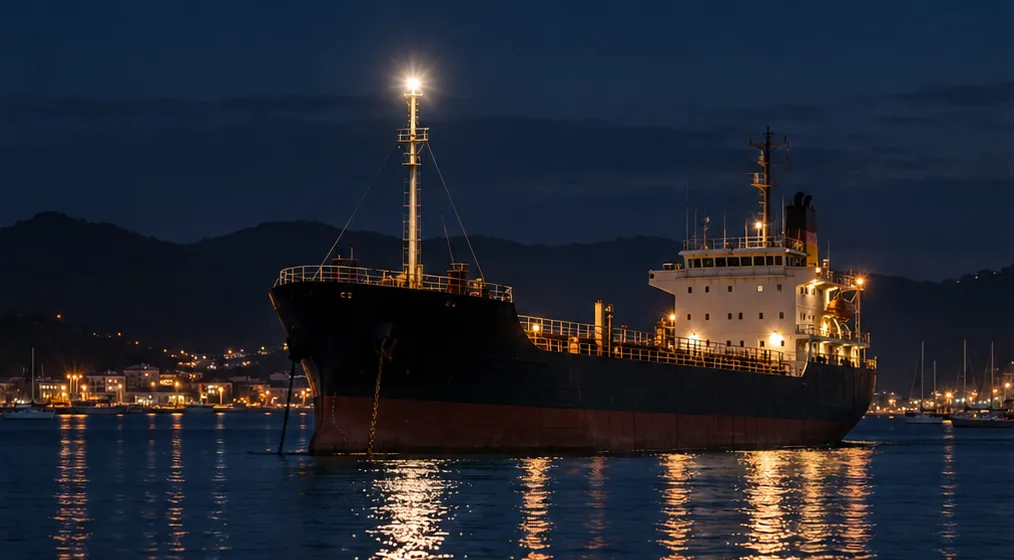
A vessel shows white lights forward and aft. Where would you look up their sectors and the configuration for this vessel?
Which source would you start with?
See the explanation and official source
In waters subject to the international rules, start with COLREG Rules 21 and 23. Rule 21 defines the lights and their sectors. Rule 23 covers power-driven vessels underway.
Check the vessel type, length and operating condition. In the 30 m power-driven example, the masthead light covers 225° and the sternlight covers 135° aft.
Two lanterns emit the same colour. Before replacing a buoy lantern, where would you look up what the mark’s flash rhythm means?
Which source would you start with?
See the explanation and official source
Use the IALA Maritime Buoyage System to identify the mark. Then compare the published light characteristic for that buoy with the lantern data sheet.
For example, an east cardinal light emits three quick white flashes every 10 seconds or three very quick white flashes every 5 seconds. A replacement specification therefore needs the grouping, period and nominal range.
Check which edition and scope apply to your project’s country and installation.
Directory of regulations and technical references
Official source · Ministry of Mines and Energy
RETILAP in force in Colombia
The Ministry reports that Resolution 40286 of June 23, 2026 amended Colombia’s Technical Regulation on Lighting and Public Lighting. It comprises four books and annexes.
General provisions.
Products covered by RETILAP.
Lighting system installations.
Conformity assessment. Annexes are published separately.
Short reads for businesses, institutions, communities and technical professionals.
Showing 8 resources.
RegulationsReading time · 3 min
How to use a standard in the context of a task
A single value cannot tell you what needs checking or how to interpret a lighting condition.
Read the explanation
Start with the source, version, scope, activity, visual task, space, operating conditions and exceptions. Then relate these elements to the available evidence.
MVH reviews the individual case and applicable regulatory hierarchy before drawing a conclusion from a general reference.
RegulationsReading time · 4 min
RETILAP, SG-SST and supplementary references
Each source has a different role. When using them together, account for their respective legal standing.
Read the explanation
RETILAP sets Colombia’s current technical requirements within its scope. Check the official source at the Ministry of Mines and Energy. Colombia’s occupational safety and health management system (SG-SST) structures workplace hazard identification, risk assessment and controls.
International references can supplement the analysis where relevant and authorized, with their role documented. They do not automatically become legal requirements in Colombia.
Question answeredReading time · 2 min
Is a lux reading enough to assess lighting?
Illuminance matters, but the assessment may need to cover more than a single reading.
View answer
It depends on the objective and scope. Alongside illuminance, an assessment may cover the visual task, surface, uniformity, distribution, shadows, contrast, glare, color, flicker, schedules and operating conditions.
An illuminance meter alone cannot measure all these variables.
Question answeredReading time · 2 min
Has a new installation already been verified?
Design, installation and verification are distinct stages of the same process.
View answer
Design documents and technical data sheets help predict performance. On-site verification shows how the finished installation performs in relation to the space, task, use, regulations and maintenance.
Define the scope of verification before issuing a conclusion.
Lighting factReading time · 2 min
Lux and visual perception describe different things
Two places can have similar illuminance readings yet look quite different.
Learn why
Illuminance describes the light reaching a surface. Perception also depends on the light the surface reflects, contrast, detail size, field of view, visual adaptation and luminance distribution.
Interpreting a measurement means relating the light to the person, the task and the surroundings.
Lighting factReading time · 2 min
The same color temperature can look different
A value in kelvins tells only part of the story about lighting quality and the visual experience.
Learn why
Light distribution, color rendering, spectrum, finishes, light level, time of day and use of the space can change the visual response.
When choosing a source, consider how its characteristics suit the task and the recipients of light, alongside its apparent color.
Practical learningGuide · 3 min
What to prepare for a lighting assessment
A clear description of the site reduces assumptions, incomplete visits and changes in scope.
View checklist
Areas, activities and visual tasks.
Schedules, shifts and actual operating conditions.
Available plans, background information and assessments.
Access, photography and safety restrictions.
Person responsible for accompanying the visit.
Practical learningGuide · 3 min
Define the problem before buying luminaires
Buying more lighting does not guarantee better task visibility, safety or operations.
View checklist
What each person or light recipient needs to see or receive.
Which surface, route or process needs lighting.
Which conditions need correcting or preserving.
Which installation and maintenance constraints apply.

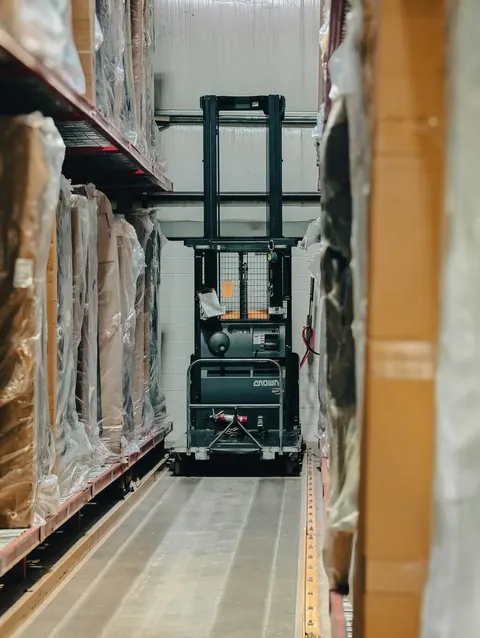 Move a shadowWhy is the label in shadow?
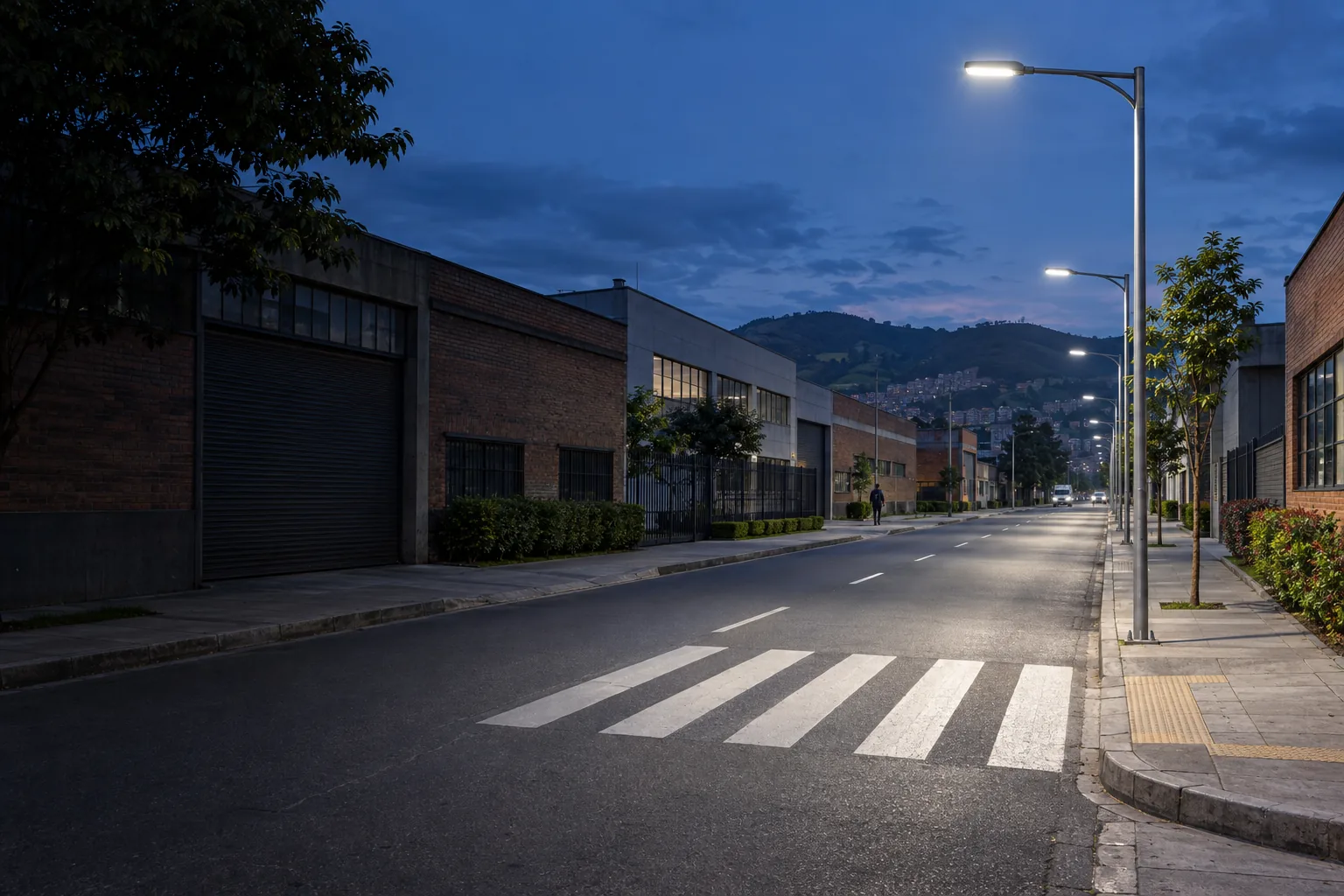
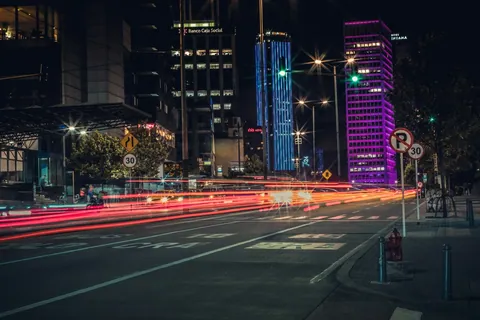 One crossing, two viewpointsWhy is the pedestrian harder to see from the other side?
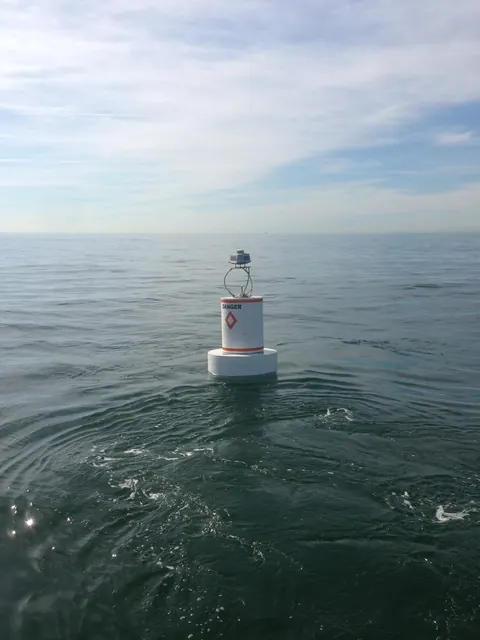 The rhythm of a buoyWhat do the flashes on a buoy mean?